7 Nutrition Myths Every Athlete Should Stop Believing
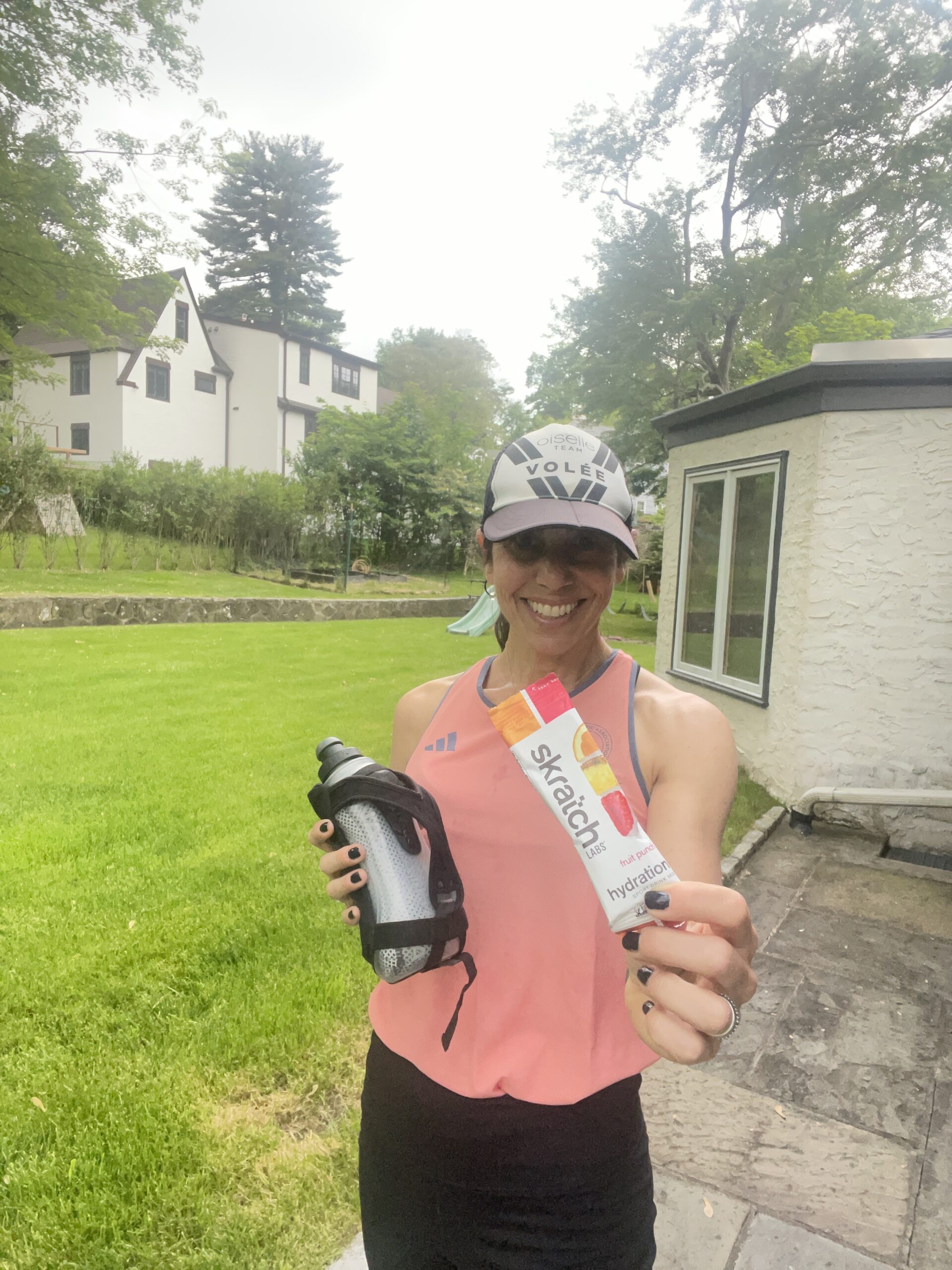
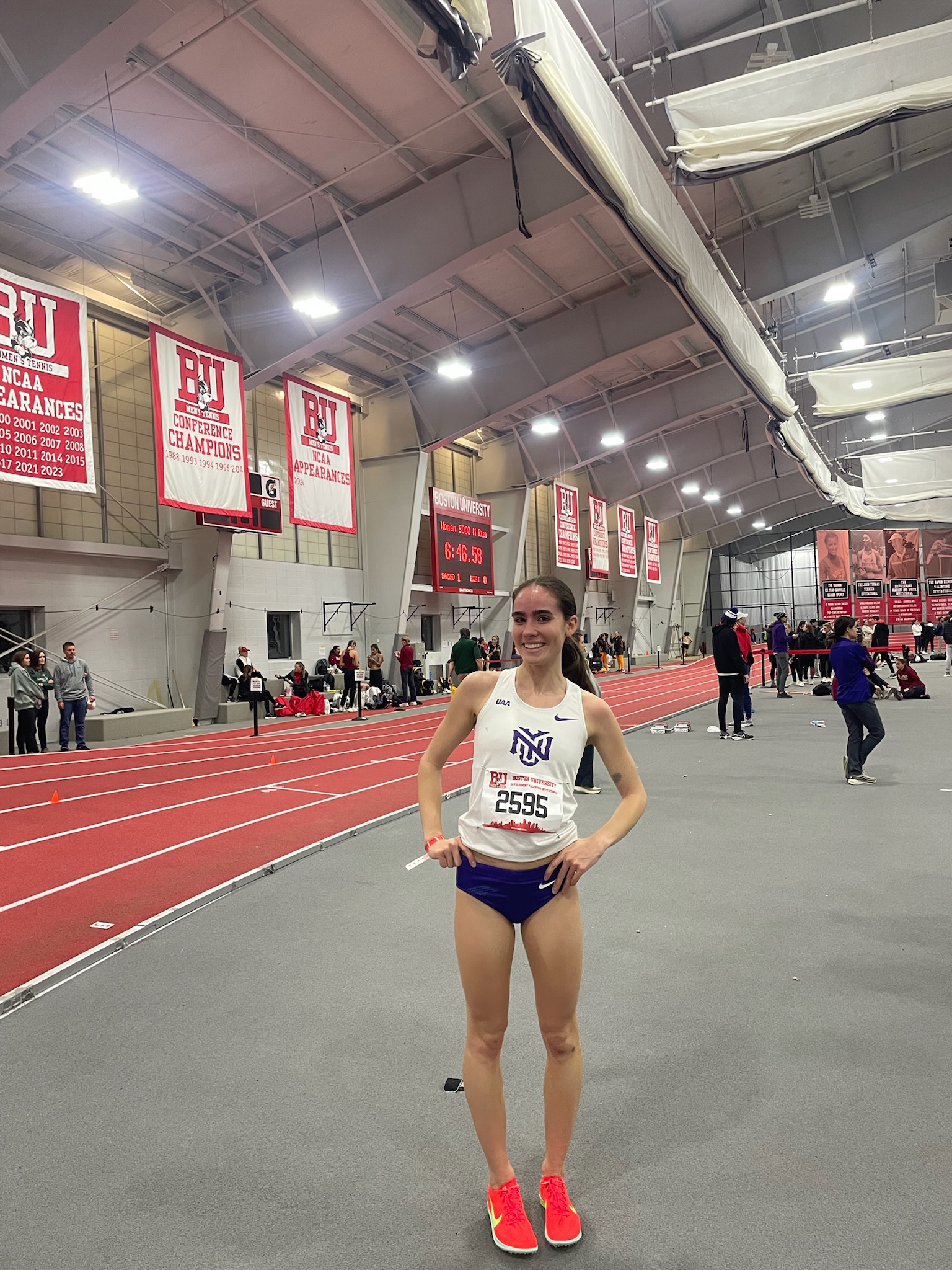
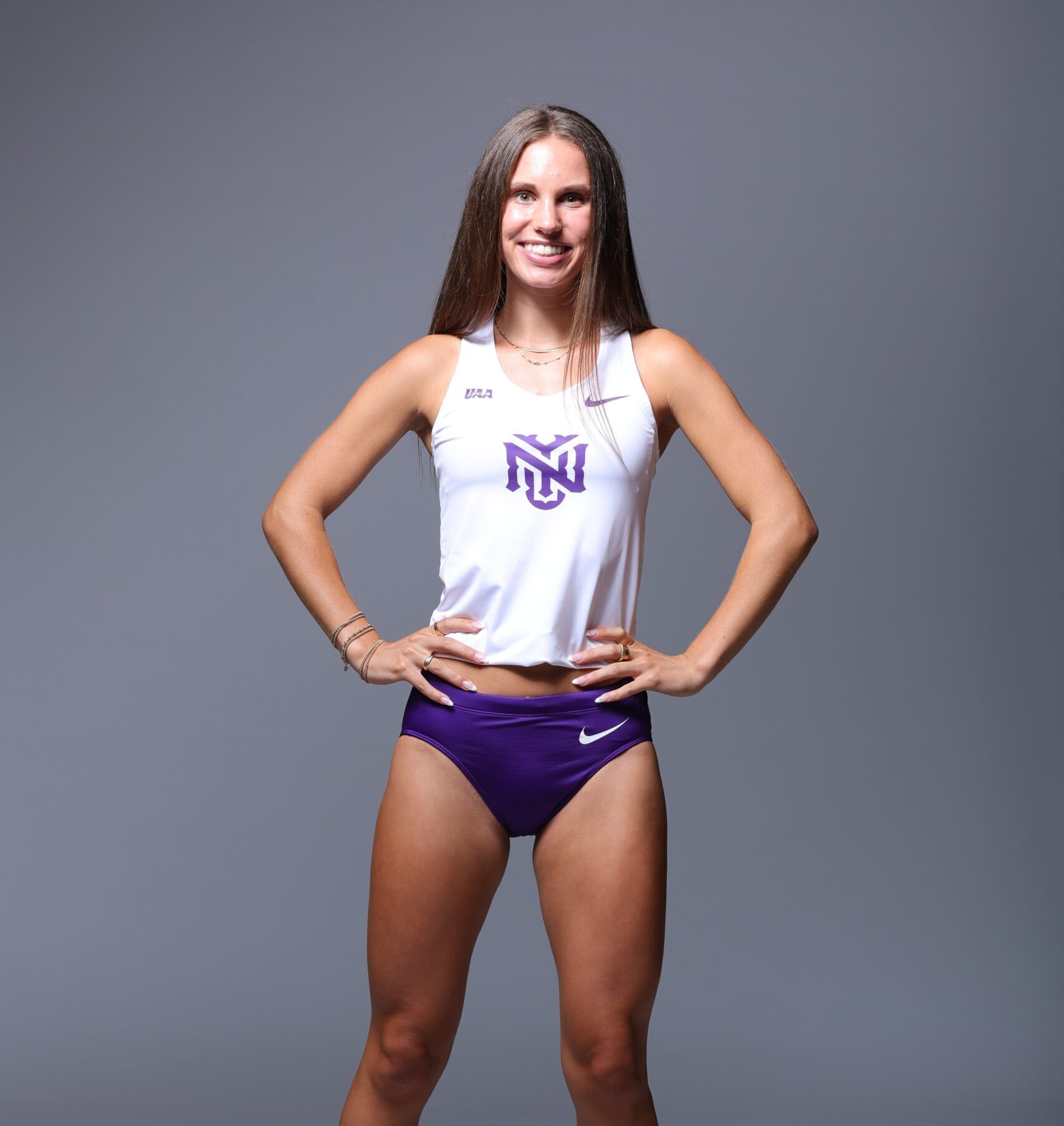
By Kate Cochran, NYU Cross Country Athlete. As an athlete, I often come across all kinds of advice—on how to eat, train, and recover—and it can be hard to know what really works. With social media playing such a big role in how we share and learn information, especially from influencers and fitness personalities, it’s easy to get overwhelmed by the sheer amount of content out there.
Lost Your Period? Here’s How Low Estrogen Could Be Impacting Your Performance
If you’re a female athlete, getting your period is really important. There are many ways that you can use your cycle to your advantage in your sport and in life. When I started running in high school, there was this widespread belief—one that I hope is starting to fade—that losing your period was a sign of being in “peak fitness.”
Iron and Endurance Performance: What Every Athlete Should Know
Iron is essential for endurance athletes because it supports oxygen transport, energy production (ATP), cognitive function (including decision-making), and a healthy immune system. Without adequate iron, the body struggles to deliver oxygen to muscles and produce the energy needed for optimal performance. Our bodies cannot make iron, it must be obtained through the diet.
The use of supplements within the world of sports and fitness is relatively widespread, being a means of addressing the various metabolic and dietary requirements of individual athletes.
TW: This content includes references to eating disorders and body image, which may be a sensitive topic to some readers.
Eating disorders can show up in many different ways, making them difficult to recognize at times.