COMMON NUTRITION MISTAKES RUNNERS MAKE (AND HOW TO FIX THEM)

Training for a marathon takes a lot of time and consistency. Most runners spend months building mileage, following a plan, and dialing in their workouts. One thing that often gets overlooked is nutrition. While runners put a lot of effort into training, many are unknowingly making fueling mistakes that are completely preventable. A lot of runners don’t realize how much fueling impacts performance, but it plays a major role in both training and race day.
When Should You Use Electrolytes for Running?
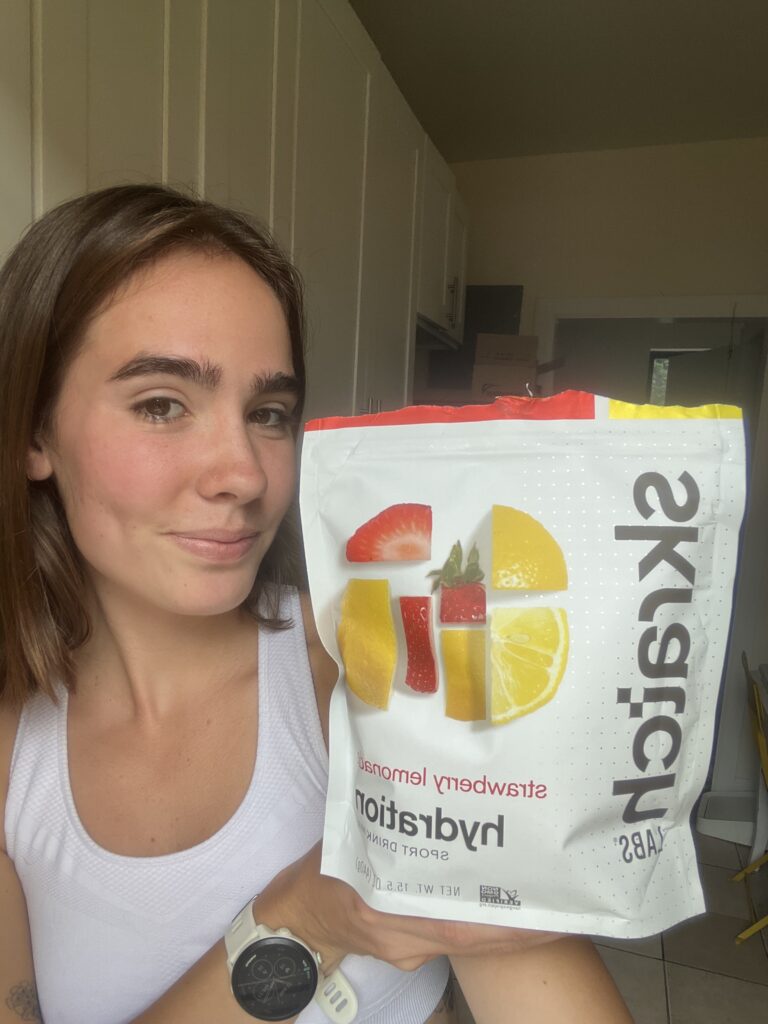
Athletes often lose a significant amount of sweat when working out, especially in the summer months. Because sweat contains electrolytes, it’s essential to replace them to maintain proper hydration and muscle function. This ensures you perform at your best and recover eectively.
Ferritin Levels for Athletes: What’s the Optimal Level?

If you’ve ever been told your iron levels are normal but you still feel fatigued, your ferritin might tell a different story. Ferritin is an important blood marker that indicates your iron stores, and for athletes, “normal” isn’t necessarily optimal for performance. Normal levels may be adequate but if you are an athlete, higher ranges are important to optimize performance.
7 Common Reasons Runners Have Cravings (And How to Fix Them)

Cravings are common, especially in individuals exercising at a high level. The most effective way to manage them is to understand what’s driving them and start by developing a nutrition plan that addresses those causes directly.
FALL MARATHON FUELING SESSIONS

Join sports dietitian Amy Stephens for a 5-session program focused on fueling for fall marathons. Topics include how to fuel before and after workouts, hydration for summer training, fueling during long runs, and race day preparation.
Bone Stress Injury Prevention: 7 Nutrition Red Flags Athletes Overlook

Bone stress injuries (BSIs), including stress reactions and stress fractures, are often caused by nutrition gaps. Warning signs are subtle and can appear weeks to months before injury strikes. When missed, they can progress into serious fractures that sideline athletes for an extended period.
Best Breakfasts to Fuel Your Run

Breakfast sets the tone for the day, especially for runners.
After an overnight fast, your glycogen (stored carbohydrate) levels are lower. Eating in the morning helps:
– Replenish glycogen
– Kickstart metabolism
– Support muscle repair
– Make it easier to meet daily carb and protein goals
– Supports gut health and regularity
Caffeine to improve athletic performance

Studies have shown an improvement in sports performance when caffeine is consumed before exercise (Clarke, 2018). Here are details about how caffeine works and the safe and effective dose that yields the best results.
PAST EVENT: MARATHON PANEL 10/8 AT 2PM

Hitting the wall is not inevitable. With the right fueling and pacing plan, energy levels can remain steady for the duration of your competition, and even provide a kick at the end.
Guide to Carb Loading for a Marathon

Plan, Prepare, and Prioritize Your Nutrition
Especially during taper week, it’s crucial to stay organized and mindful of your diet, particularly if you’re balancing a busy schedule. Even though we’re running less in the taper, nutrition is just as important as our bodies absorb all the training we’ve put in during our training cycle.