Amy Stephens

MS, RDN, CSSD, CEDS

Licensed dietitian

specializing in sports nutrition

and eating disorders

Best Protein Bars,
according to a Sports Dietitian

Protein bars can be a convenient option for busy athletes who need a quick snack before practice, after a workout, or while traveling. While whole foods should make up the foundation of your diet, protein bars can help fill nutrition gaps when meals aren’t available. When choosing protein bars, it’s important to consider factors such as the ingredients, nutritional content, and taste. Here are some tips for selecting the protein bars:

Look for Whole Food Ingredients: Choose protein bars with a short and recognizable list of ingredients. Opt for bars that contain whole food ingredients such as nuts, dates, egg whites, or honey. 


Incorporate Carbohydrates: Carbohydrates play a crucial role in recovery alongside protein. They aid in replenishing glycogen stores, allowing protein from food and bars to be utilized for muscle building. If your protein bar has a low carbohydrate content (<15 grams), consider supplementing with a fruit or another form of carbohydrate to ensure you meet your nutritional requirements. 


Consider Protein Content: Choose protein bars that provide a moderate amount of protein per serving, typically ranging from 10 to 20 grams. This amount of protein can help support muscle repair and growth, especially for active teens engaged in strength training or sports. The best sources of protein that contain all essential amino acids are from whey, casein, egg whites, or soy.


Pay attention to the Sugar Content:  Select bars sweetened with natural sources of sugar like cane sugar, honey, agave, or from real fruit like dates.


Check the Fiber Content: Fiber in protein bars can help promote satiety, support digestive health, and regulate blood sugar levels. However, too much fiber can lead to bloating and gastrointestinal discomfort which can negatively affect performance for an athlete. Aim for bars with about 3-5 grams of fiber per serving.


Consider Dietary Restrictions: Take into account any dietary restrictions or preferences you may have, such as allergies, intolerances, or dietary preferences (e.g., lactose intolerant, vegetarian or vegan). Choose protein bars that align with your specific dietary needs.


Consider Taste and Texture: Sample different protein bars to find options that you enjoy both in terms of taste and texture. Choosing bars with flavors and textures that are appealing can increase the likelihood that you will incorporate them into their diet. 

Best time to eat a protein bar​

Protein bars work best as a recovery snack after exercise or as a convenient snack between meals. Depending on the bar, pairing it with fruit, pretzels, crackers, or another carbohydrate source may provide additional energy for training and recovery.

  • Post-Workout: Consuming a protein bar within 30-60 minutes after a workout can help kickstart the recovery process by providing your muscles with the necessary amino acids to repair and rebuild. Pairing the protein bar with carbohydrates can also help replenish glycogen stores and support muscle recovery.
  • On-the-Go Snack: Protein bars are ideal for on-the-go snacking when you don’t have access to a full meal or when you need a quick and convenient source of nutrition. They can be kept in your bag, car, or desk drawer when you feel hungry.


Here are a few of my favorite options


My Top 5 List for Athletes

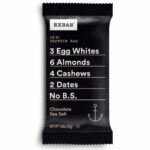
  1. RX Bar
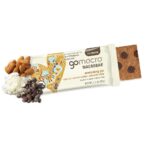
  2. GoMacro
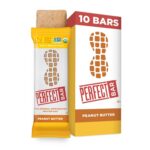
  3. Perfect Bar
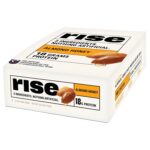
  4. Rise
  5. Barebells

RX Bar – 220 calories, 23g carbohydrates, 12g protein, 4g fiber

GoMacro Bar – 270 calories, 39g carbohydrates, 12g protein, 3g fiber

Rise – 280 calories, 20g carbohydrate, 20g protein, 4g fiber

Perfect bar – 340 calories, 27g carbohydrate, 17g protein, 3g fiber

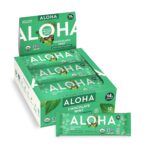
Aloha bar, 220 calories, 26g carbohydrates, 14g protein, 10g fiber*

*contains a significant amount of fiber

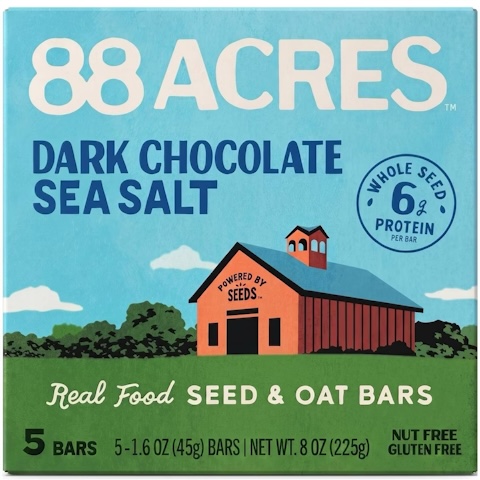
88 Acres Protein Bar260 calories, 12g protein, 24g carbohydrates, 3g fiber
Nut-free and made with simple ingredients.

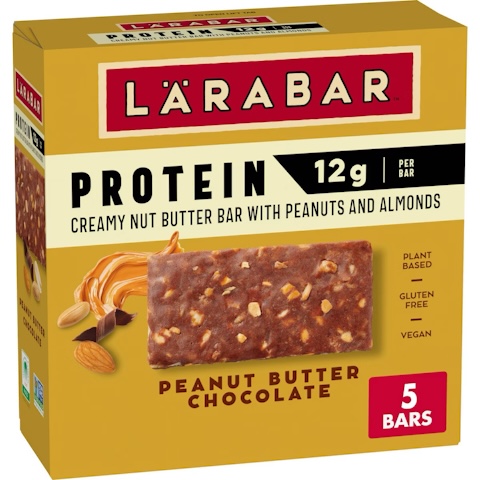
Larabar (less protein but good snack option) – 190–220 calories, 4–6g protein, 24–30g carbohydrates
Made primarily from dates and nuts. Pair with milk, yogurt, or cheese for additional protein.

Remember: A protein bar is not automatically healthier than a sandwich, yogurt parfait, or trail mix. When possible, prioritize meals and snacks made from whole foods and use protein bars as a convenient backup option.

Let’s Get Started!

Tell us what you’re interested in so we can book your first session today.