DIY Electrolyte Drink
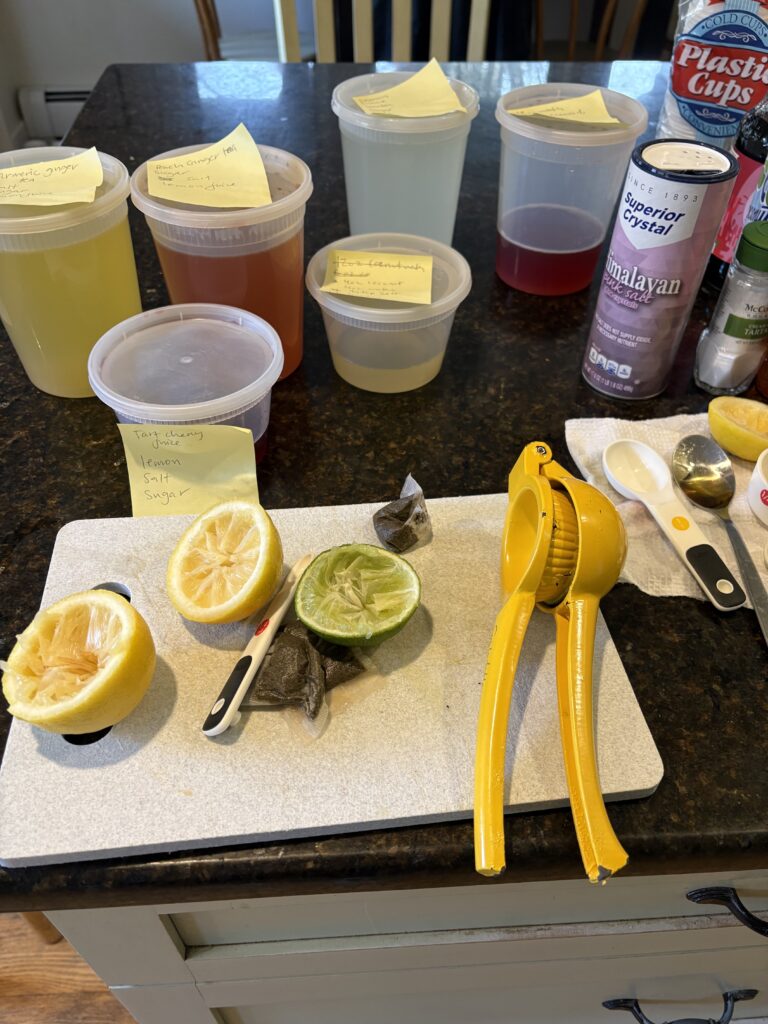
Here are a couple of DIY electrolyte drinks that are favorites among the NYU Track and Field team:
How to prevent GI issues in runners

We all know far too well that gastrointestinal issues can derail a training run or race physically and mentally. Cramping, bloating, and diarrhea can quickly worsen dehydration and become very painful or even debilitating. In this post, I outline some easy strategies to help you feel better and improve performance when facing GI issues. By following these nutrition strategies, one can improve symptoms and performance as a whole.
Creatine Supplement: Key Factors to Consider Before Use
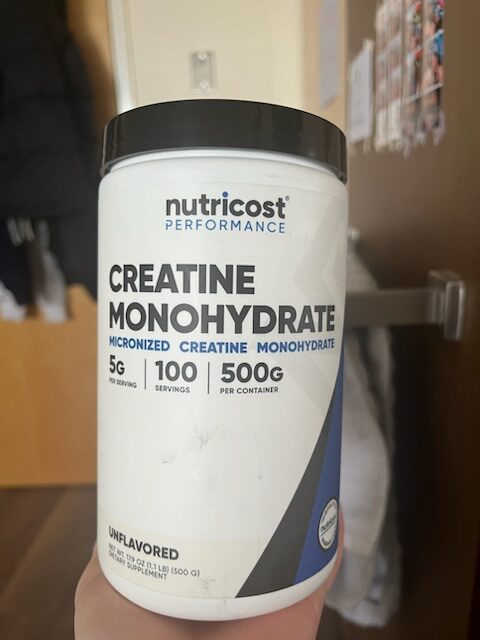
Many amateur and professional athletes use creatine supplements to enhance their workouts and speed up recovery. Creatine is a naturally occurring compound found in the body and certain foods that provides a quick burst of energy and increases strength.
Nutrition for a Half Marathon: Fueling for Performance

Whether it’s your first half marathon or your 10th: Whether you’re aiming for a PR or running for fun, proper nutrition is key to sustaining energy, optimizing performance, and ensuring good recovery. This guide covers everything you need to know about fueling before, during, and after your race, along with common mistakes to avoid.
BEST foods to eat after a workout – tips from the Martin Coaching Team

Foods consumed after a workout will impact recovery and sports performance.
We asked the Martin coaching team about which foods they eat after a workout and it was no surprise that we received great responses instantly. At the elite level, nutrition is dialed in and the athletes know which foods to grab after a tough workout to promote recovery.
HOW TO USE GELS FOR ENDURANCE ATHLETES

Gels are a compact and convenient way to deliver easily digestible carbohydrates during endurance sports like running, cycling, swimming, or triathlons. They provide quick energy to fuel your performance and help you maintain steady energy levels throughout your activity. Here’s a breakdown of the key factors to consider when selecting the best gels for your events.
Body Composition Testing: When is it Helpful and When is it Harmful?

TW: This content mentions eating disorders and body image.
Body composition testing offers a window into the intricate components that constitute our bodies. It surpasses simple weight measurements by evaluating the distribution and proportion of tissues like fat mass, muscle mass, and bone density, providing a detailed profile of physical makeup.
TOP FUELING OPTIONS FOR ENDURANCE ATHELTES
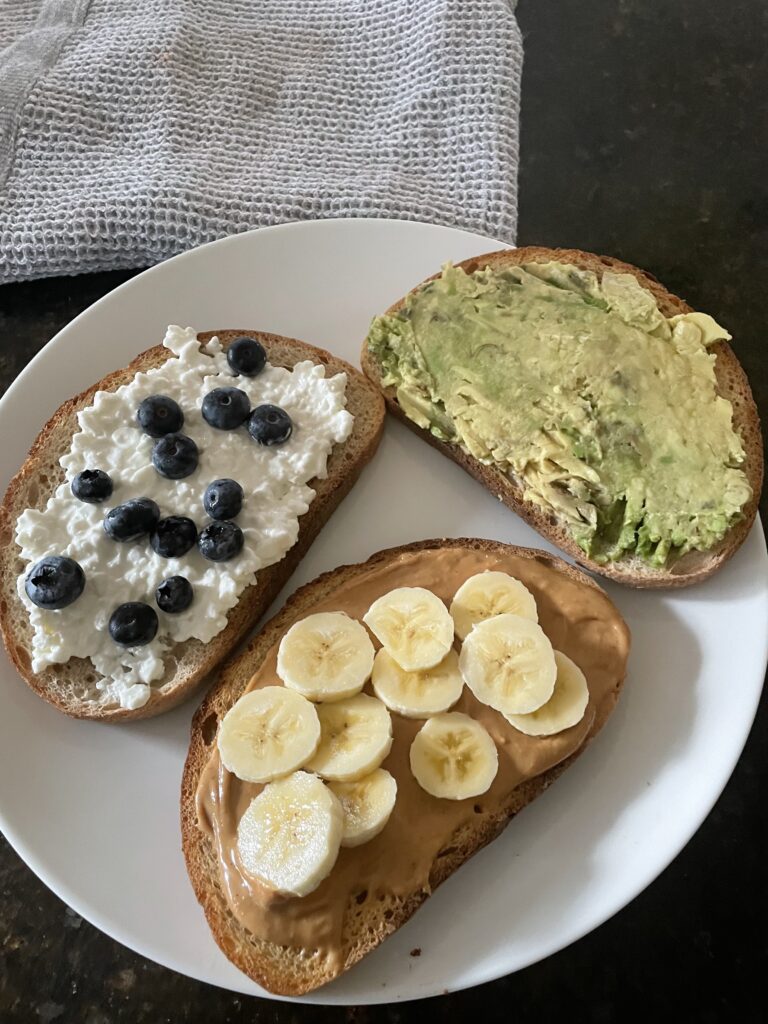
Here’s a list of the best fueling options for endurance athletes—designed to support energy, facilitate recovery, and keep performance strong. These snacks are easy to digest and perfect for on-the-go fueling. Keep them handy to stay energized throughout your day and training.
EATING DISORDER OR RED-S? THE KEY DIFFERENCES

TW: This content mentions eating disorders and body image.
Eating disorders are mental health conditions, whereas RED-S (Relative Energy Deficiency in Sport) is a physiological state caused by an energy imbalance. However, these conditions can overlap.
Don’t Wait: Understanding Relative Energy Deficiency in Sport (RED-S) and Low Energy Availability (LEA)

By Kate Cochran, Nutrition Intern, NYU Track and Field
When I first learned about low energy availability (LEA) and relative energy deficiency in sport (RED-S) at twenty-one, I was four years deep into my distance running journey. It was while reading “How She Did It” by renowned female distance athletes Molly Huddle and Sara Slattery, both esteemed Olympians themselves, where I first learned about the syndrome. It was something I wish I knew when I began running at sixteen. I firmly believe it’s essential for every female athlete to familiarize themselves with RED-S early on, considering its potential impact on their athletic path.