Amy Stephens
MS, RDN, CSSD, CEDS
Licensed dietitian
specializing in sports nutrition
and eating disorders
MS, RDN, CSSD, CEDS
Licensed dietitian
specializing in sports nutrition
and eating disorders
Fuel Consistently Throughout the Day. Skipping breakfast or heading to practice on an empty stomach affects your overall health and performance. Here’s why it matters:
Bottom line: consistent fueling is not optional; it’s part of your training.

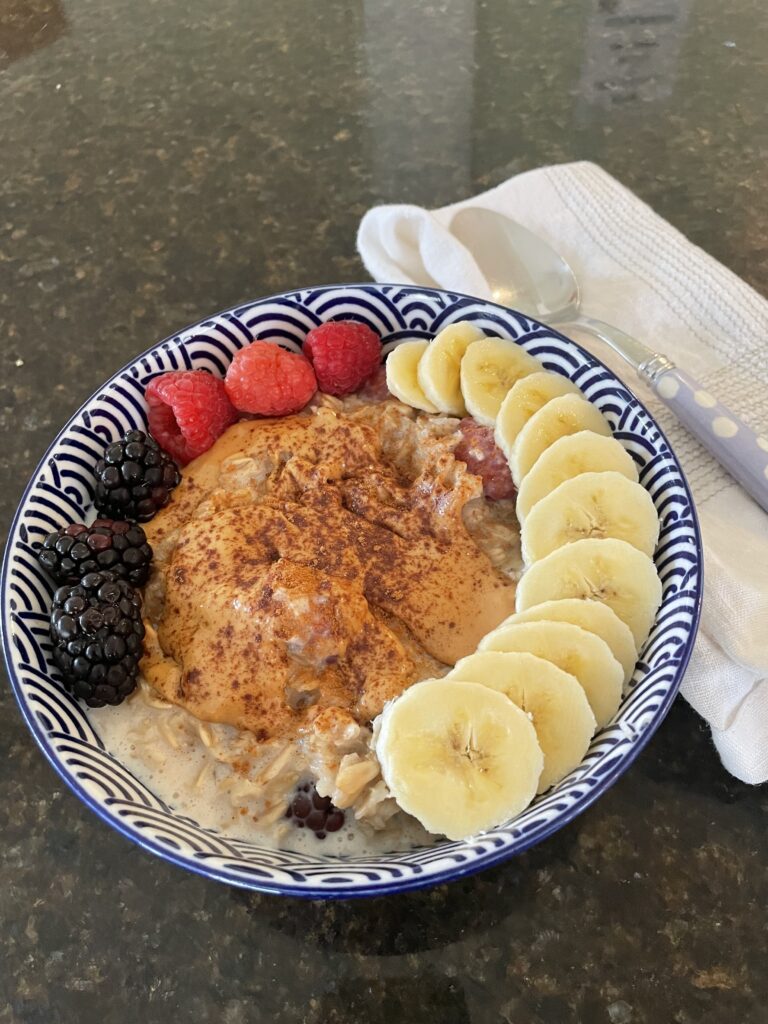
Perfect for busy mornings, no sit-down meal required:
Tip: Prep a few of these the night before or in batches on Sunday, so “I don’t have time” is never the reason you skip breakfast.
Lunch is the meal that fuels your afternoon practice or competition.
Aim for a mix of carbs (for energy), protein (for recovery and staying full), and something salty. School lunch lines move fast; don’t let “what’s fastest” replace “what will actually fuel me.”

Keep a stash of easily digestible foods in your bag for a quick fueling option. Choose low-fat and low-fiber foods that are low in protein within one hour of practice.
Timing tip: Eat something right after school so you have plenty of time to digest.
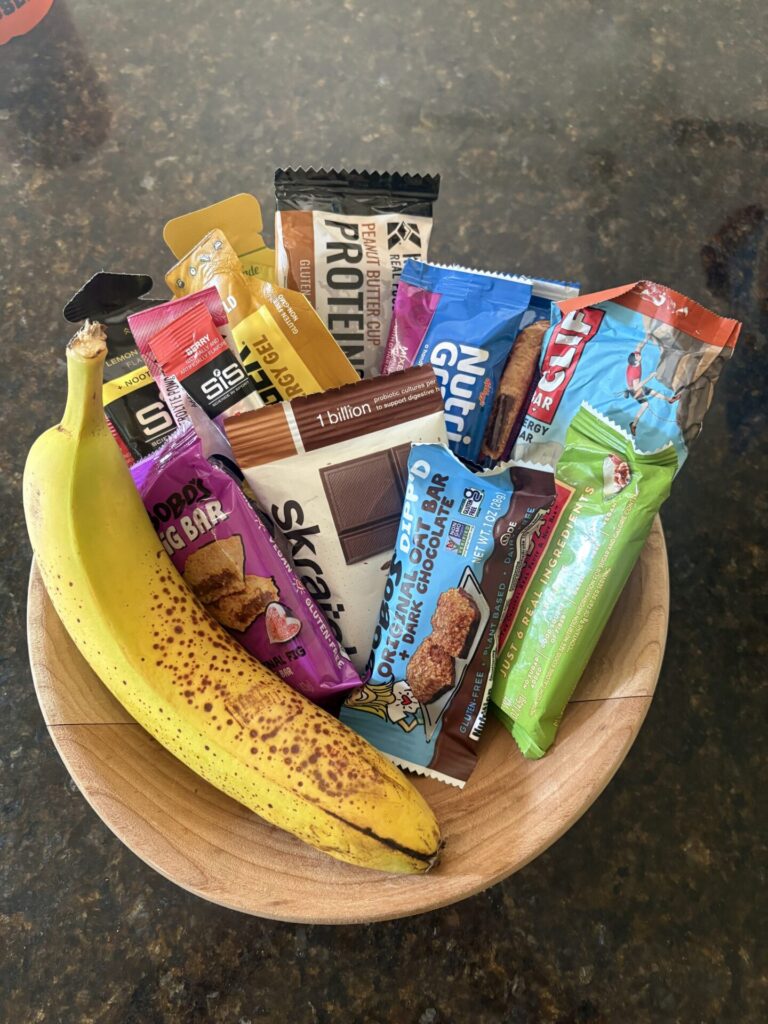
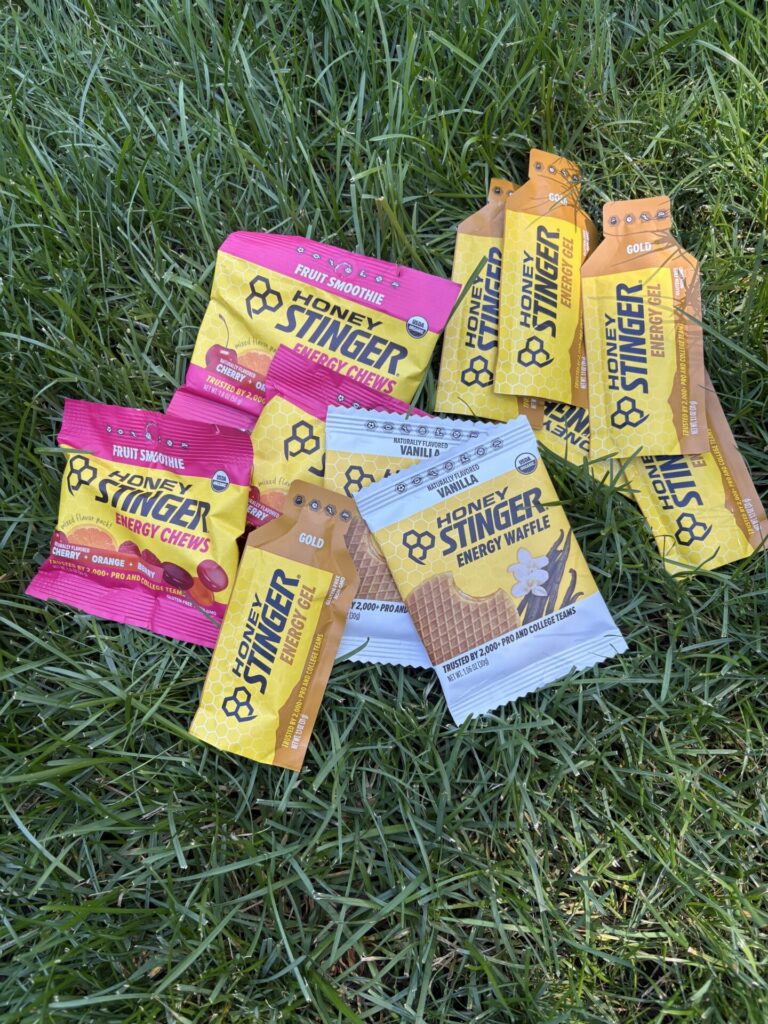
For practices lasting more than 70 minutes, adding carbohydrates during exercise can help keep your muscles fueled, maintain energy, and support performance. Fluids and electrolytes can also help replace what you lose through sweat and support hydration.
Carbohydrate Options
Hydration + Electrolytes
Tip: Sports drinks can provide carbohydrates + fluids + electrolytes in one option, making them especially convenient during longer or harder practices.
Early practices are their own challenge. You’re asking your body to perform before it’s even had a chance to fully wake up. Here’s how to handle it:
The problem: If practice starts at 7am, you likely don’t have time for a full breakfast beforehand, and showing up completely empty means you’re running on the fumes of whatever you ate the night before, which was probably 10+ hours ago. Your glycogen is depleted which will make that exercise feel even harder and increases the risk of injury. It’s hard to perform your best if your muscles are depleted.
Split your fueling into two parts.
The night-before piece matters too. Since you won’t have much time to eat before a 7am practice, what you eat at dinner the night before matters more than usual. Make sure dinner includes a solid mix of carbs and protein; don’t just have a light snack and call it a night. Top off energy stores with a carbohydrate rich snack at bedtime such as crackers, toast or cereal.
What to avoid: skipping fuel entirely and hoping adrenaline gets you through. It might work for one practice, but consistently training fasted at this age can hurt performance, recovery, and how well your body adapts to training over time.
Treat food like part of your training plan.