Amy Stephens
MS, RDN, CSSD, CEDS
Licensed dietitian
specializing in sports nutrition
and eating disorders
MS, RDN, CSSD, CEDS
Licensed dietitian
specializing in sports nutrition
and eating disorders
If you’ve noticed protein-boosted coffee drinks, lattes, muffins, and breakfasts everywhere you look, you’re not imagining it. Major food chains have turned protein into a marketing opportunity to lure customers, implying that more protein equals better health and more energy. But for most individuals, the extra isn’t necessary and might actually lead to poorer health outcomes.
Prioritizing protein over other nutrients such as carbohydrates or fats can lead to energy imbalances, poor recovery after workouts, hormonal disruptions, increased cholesterol and other metabolic factors, and increased injury risk, especially for athletes and growing teens.
In addition, there is data that shows the long term effects of consuming protein supplements in place of actual foods. Some studies have reported gastrointestinal side effects such as bloating, gas, and diarrhea from consuming an excessive amount of protein supplements.
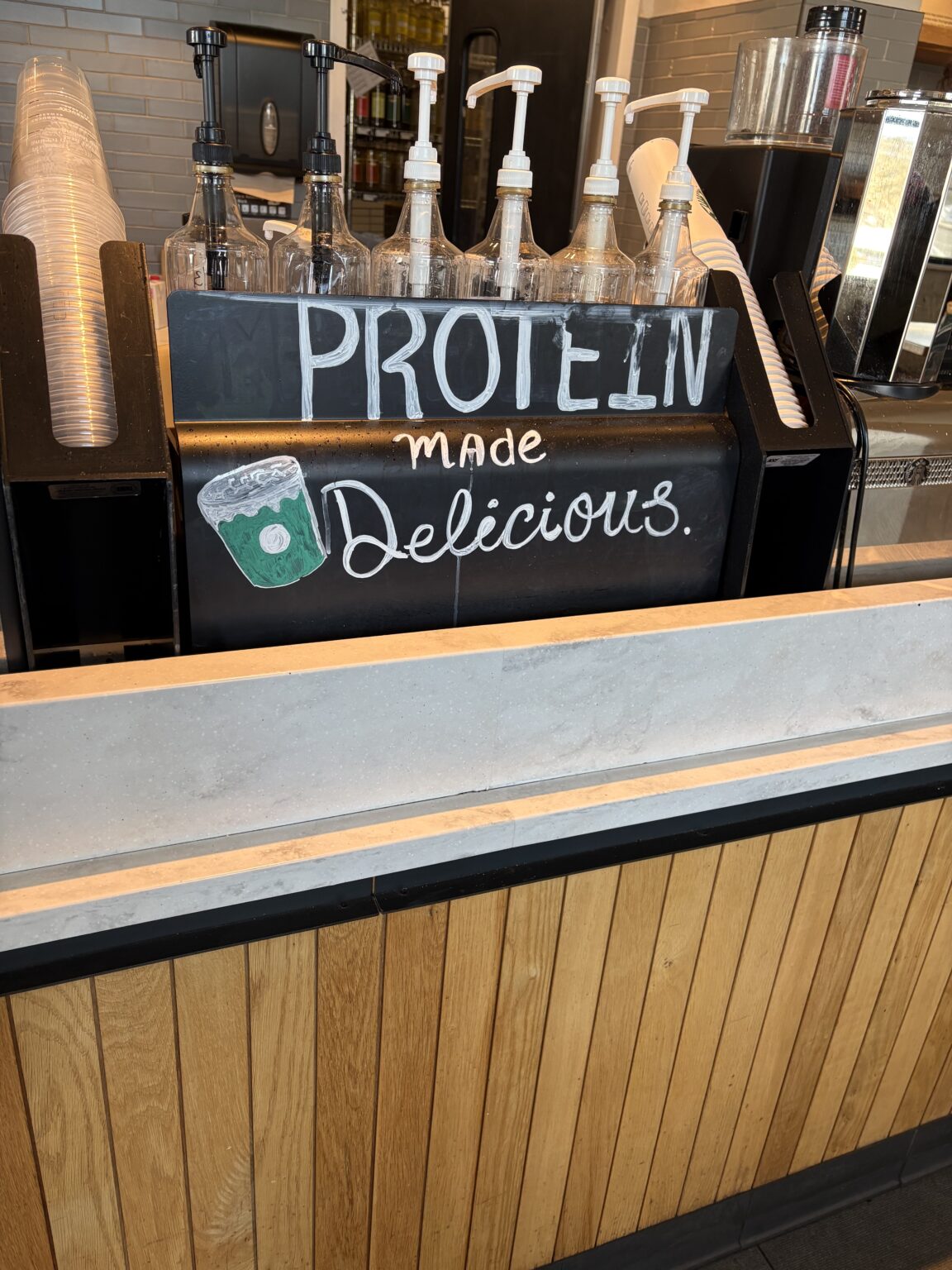
Protein is essential; it’s used for building and repairing tissues, enzymes, hormones, and immune molecules. But the idea that more protein automatically leads to better health, performance,or faster muscle growth isn’t necessarily the case. Current science suggests that protein needs are individualized and depend on activity level, total energy intake, and training volume.
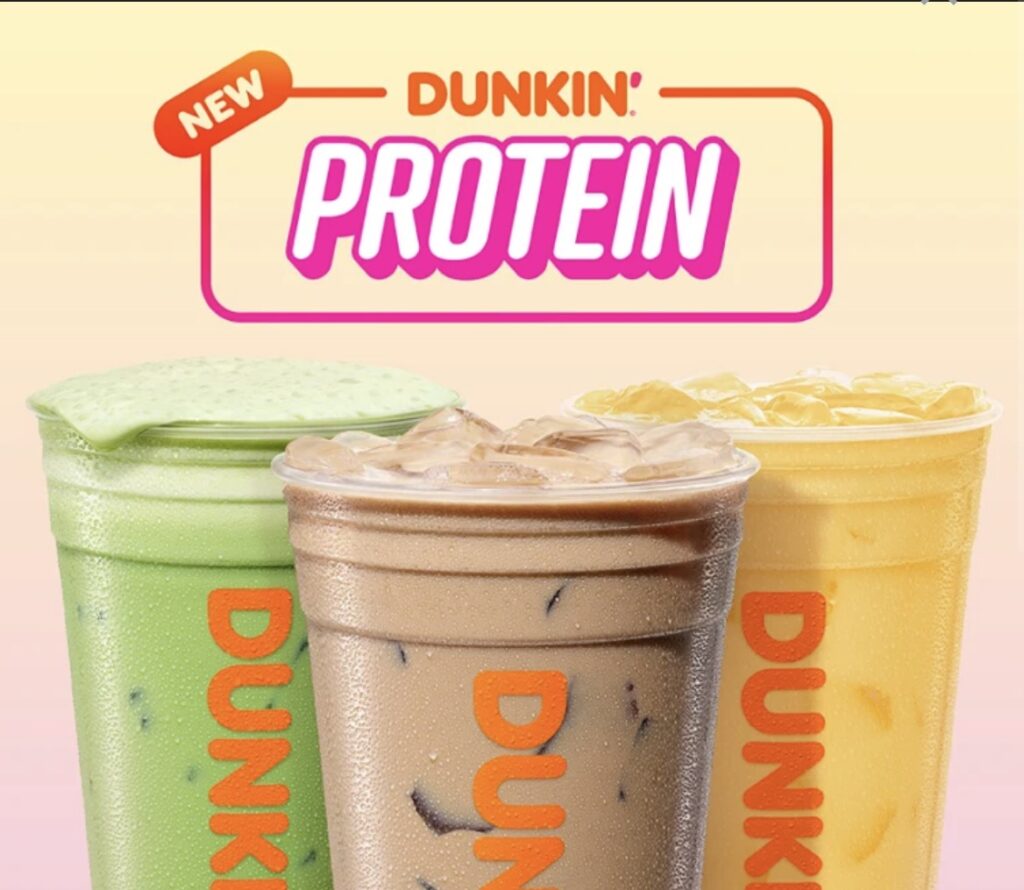
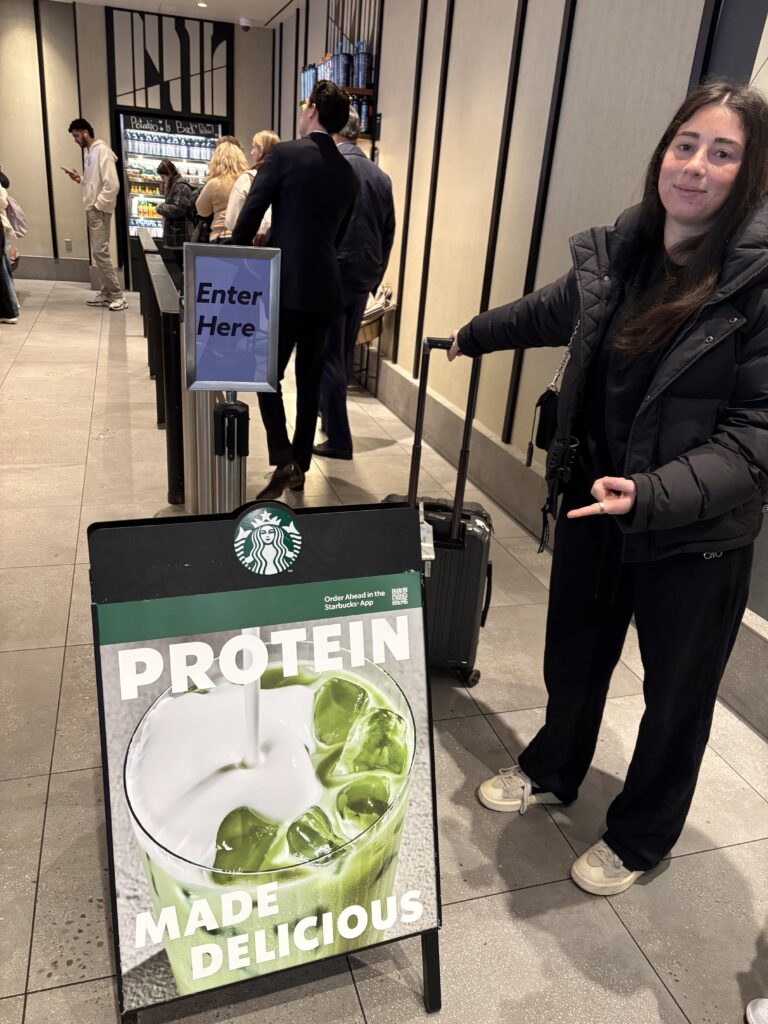
Recently, coffee chains like Starbucks and Dunkin Donuts have jumped on the protein craze by adding protein to their beverages. The form of protein is either whey protein isolate, as Starbucks has done or the swapping of regular milk with a filtered, high protein version called protein milk, which is what Dunkin has done. Both companies have the same goal: to add more protein to their products to satisfy customers’ protein goals. These companies are hoping that customers will buy drinks for the protein content alone, equating high protein with health and overlooking the other important components such as sugar or caffeine and lack of nutrition value.
Starbucks has introduced protein-enhanced beverages, including Protein Lattes, coffees, Matcha, and Protein Cold Foams, which contain up to 36 g of protein per grande serving, according to the Starbucks website. In these products, protein is primarily provided through whey protein isolate added to milk. Whey protein isolate is a dairy-derived protein that is low in lactose, gluten-free, and virtually sugar-free. Sunflower lecithin is commonly included as an emulsifier to improve solubility and texture.
Dunkin’ Donuts has similarly expanded its protein-fortified beverage offerings, including Protein Refreshers and protein-enhanced hot and iced lattes. According to Dunkin’s website, these beverages utilize Protein Milk, an ultra-filtered, lactose-free milk comparable to products such as Fairlife®. Protein content in Dunkin’ beverages, including Refreshers, hot and iced lattes, and almond milk protein matcha lattes, ranges from approximately 11–15 g of protein per medium-sized beverage.
Eating more protein does not equate to being healthy. Importantly, consuming protein above these ranges doesn’t automatically produce more muscle or better performance unless energy intake and training load also support those goals. Foods with protein (compared to protein supplements) offer more nutrients the body needs such as iron, B vitamins, vitamin D and probiotics, to name a few.
Non-active adults generally need about 0.8 g/kg/day of protein to support basic health and prevent deficiency, while active individuals exercising around an hour per day require more—approximately 1.2–2.0 g/kg/day—to support increased protein turnover, recovery, and adaptation from training. Here’s a more detailed breakdown of how much protein individuals need based on age, activity and sport.
A grande protein drink at Starbucks provides roughly 36 grams of protein.
A medium protein drink at Dunkin’ contains approximately 11–15 grams of protein.
Protein requirements are generally similar for males and females when matched for body weight and training load, with no inherent sex difference in optimal intake for muscle protein synthesis or recovery when energy availability is sufficient. However, research suggests that distributing protein more evenly across the day — rather than concentrating most intake in a single meal — can enhance total daily protein utilization and support muscle protein synthesis in both men and women, particularly in the context of training and recovery. Even protein intake at breakfast, lunch, and dinner has been linked to improved overall protein intake and anabolic responses compared with skewed patterns. Additionally, adequate energy availability is more influential than biological sex in determining how effectively protein is used by the body; when overall calories are insufficient, protein cannot fully support muscle maintenance or metabolic needs regardless of sex. Balanced meals that meet calorie requirements and include high-quality protein spaced throughout the day are more beneficial than focusing solely on total protein targets or supplements.
Note: convert pounds to kilogram by dividing weight (lb.) by 2.2
Group | Activity Level / Sport | Protein Range |
Children (6–12 yrs) | General activity & sports | 0.9–1.2 g/kg |
Teens (13–18 yrs) | Recreational sports | 1.0–1.3 g/kg |
Competitive sports / growth + training | 1.2–1.6 g/kg | |
Adults (Non-Active) | Minimal exercise | 0.8 g/kg |
Endurance Athletes | Running, cycling, swimming, rowing, cross country skiing, ultra running, triathlon | 1.2–1.7 g/kg |
Team Sport Athletes | Soccer, basketball, hockey, tennis | 1.4–1.7 g/kg |
Strength / Power Athletes | Lifting, football, throwing, sprinting, skiing, baseball | 1.6–2.0 g/kg |
Ultra / Heavy Training (1–4 hrs/day) | High volume, multi-session days Professional athletes, college athletes, teens training at elite levels | 1.6–2.0 g/kg |
Injury Recovery (teens and adults) | Reduced training + rehab | 1.6–2.2 g/kg |
Older Adults (65+) | General health / resistance training | 1.2–2.0 g/kg |
If your goal is to build muscle, consider the following nutrition strategies:
Use protein supplements or bars strategically to fill gaps when whole food options are unavailable—not as a replacement for balanced meals.
Areta, J. L., et al. (2013). Timing and distribution of protein ingestion during prolonged recovery from resistance exercise alters myofibrillar protein synthesis. Journal of Physiology, 591(9), 2319–2331.https://doi.org/10.1113/jphysiol.2012.244897
PMID: 23446694
Gillen, J. B., et al. (2017). Dietary protein intake and distribution patterns of well-trained Dutch athletes. International Journal of Sport Nutrition and Exercise Metabolism, 27(2), 105–114.
https://doi.org/10.1123/ijsnem.2016-0154
PMID: 27710150
Institute of Medicine. (2005). Dietary reference intakes for energy, carbohydrate, fiber, fat, fatty acids, cholesterol, protein, and amino acids. National Academies Press. https://doi.org/10.17226/10490
Jäger, R., et al. (2017). International Society of Sports Nutrition position stand: Protein and exercise. Journal of the International Society of Sports Nutrition, 14, 20.
https://doi.org/10.1186/s12970-017-0177-8
PMID: 28642676
Loucks, A. B., et al. (2011). Energy availability in athletes. Journal of Sports Sciences, 29(sup1), S7–S15. https://doi.org/10.1080/02640414.2011.588958 PMID: 21678383
Mountjoy, M., et al. (2018). IOC consensus statement on Relative Energy Deficiency in Sport (RED-S): 2018 update. British Journal of Sports Medicine, 52(11), 687–697. https://doi.org/10.1136/bjsports-2018-099193 PMID: 29618125
Rodriguez, N. R., et al. (2009). Position of the American Dietetic Association, Dietitians of Canada, and the American College of Sports Medicine: Nutrition and athletic performance. Journal of the American Dietetic Association, 109(3), 509–527. https://doi.org/10.1016/j.jada.2009.01.005 PMID: 19246620
Sims, S. T., et al. (2023). International Society of Sports Nutrition position stand: Nutritional considerations for the female athlete. Journal of the International Society of Sports Nutrition, 20(1), 2204066. https://doi.org/10.1080/15502783.2023.2204066
PMID: 37221858
Thomas, D. T., et al. (2016). Position of the Academy of Nutrition and Dietetics, Dietitians of Canada, and the American College of Sports Medicine: Nutrition and athletic performance. Journal of the Academy of Nutrition and Dietetics, 116(3), 501–528. https://doi.org/10.1016/j.jand.2015.12.006 PMID: 26920240