Amy Stephens
MS, RDN, CSSD, CEDS
Licensed dietitian
specializing in sports nutrition
and eating disorders
MS, RDN, CSSD, CEDS
Licensed dietitian
specializing in sports nutrition
and eating disorders
Recently, my college-aged daughters asked me about weight loss drugs. Some of their friends were using them; they were bombarded by advertisements, and the topic was often brought up when socializing. As a sports dietitian who specializes in eating disorders, I had a lot to say on this topic. I gathered their questions and did my own research to provide the most up-to-date and accurate information that I thought would be helpful for others to read, too.
Few drugs have reshaped the cultural conversation around weight the way GLP-1 medications have. Ozempic, Wegovy, Zepbound, and Mounjaro are among the best-known of these medications, and they now come up as often in gym locker rooms, dinner parties, and college dorms as they do in doctors’ offices. But behind the headlines and before-and-after photos is a more complicated story about who these drugs were actually intended for, what their safety and long-term effects are, what they do to the body, and where the line exists between medical treatment and disordered eating. This blog will also discuss what microdosing is and its impacts on health. One important fact to keep in mind: similar to coloring your hair, these medications only work while you use them, and the effects wear off once you stop, with your body returning to its original state.
This is NOT me advising you to take or not take a GLP-1 medication. This information is how I responded to my daughters’ questions, and I thought it would be helpful to share my views as a mom, runner, and sports dietitian who focuses on disordered eating.
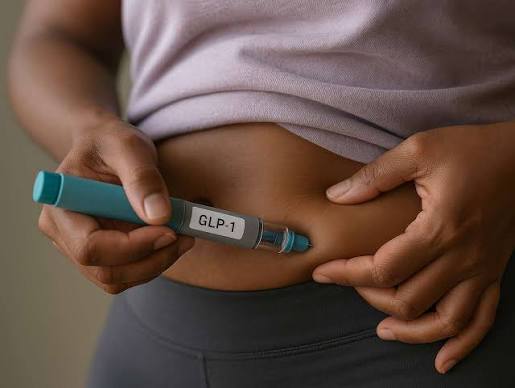
GLP-1s (glucagon-like peptide-1 receptor agonists) are a class of medications that mimic a natural hormone released by the gut after eating. GLP-1s help regulate blood sugar, hunger, and digestion speed, partly by slowing gastric emptying [1]. The class of drugs was originally developed to treat type 2 diabetes.
Ozempic is the brand name for semaglutide, one such GLP-1 drug. It works by increasing insulin release after meals (which lowers blood sugar) and reducing glucagon (a hormone that raises blood sugar) [2]. Because it only acts when blood sugar is already high, it carries less risk of dangerous lows than some older diabetes medications [2]. Tirzepatide, a related drug, mimics GLP-1 as well as a second hormone called GIP.
Ozempic itself is FDA-approved for type 2 diabetes and to reduce cardiovascular and kidney risk in patients with diabetes, while the higher-dose version of the same drug, sold as Wegovy, is the one specifically approved for weight management [3].
GLP-1 is a natural hormone regulator of appetite that is produced by our bodies. The hormone acts on several appetite-related regions of the brain [4]. It doesn’t burn calories for you, it makes you feel fuller for longer and eat less food. As a result, food is digested more slowly, keeping you fuller for longer, and the end result is taking in fewer calories. Clinical and lab data indicate that the weight-reducing effect comes mainly from reduced energy intake [4].
GLP-1 medications currently come in two delivery forms:
Injections remain the default because the peptide breaks down easily in the gut, making oral versions harder to dose consistently.
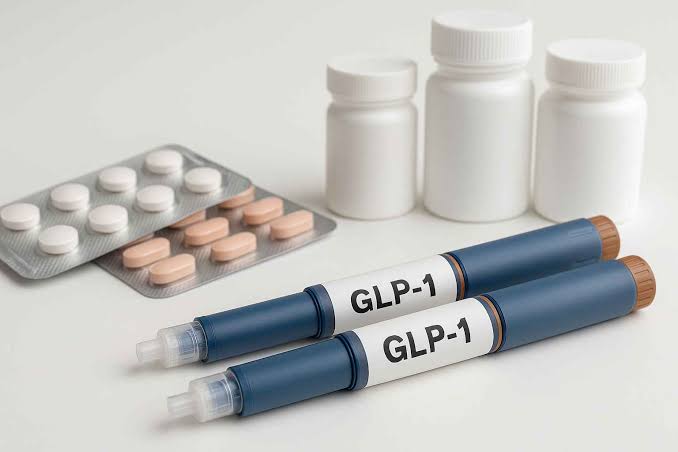
Ozempic injection is intended to be used alongside diet and exercise to help people lose weight and keep it off when they have at least one weight-related medical condition such as high blood pressure, type 2 diabetes, high cholesterol, cardiovascular disease, or obstructive sleep apnea [5], or to manage type 2 diabetes on its own. It was not designed or tested for people at a healthy weight seeking a modest cosmetic change, and safety and effectiveness haven’t been established in children or adolescents [5].
Ozempic and its other forms are prescription-only. If you have type 2 diabetes, a doctor may prescribe Ozempic partly because of its weight loss effect, but for people without diabetes, using Ozempic for weight loss is considered off-label [2], meaning it’s not what the FDA approved it for, even though prescribers can still legally do it. For weight management specifically, the FDA-approved option is Wegovy, prescribed by primary care doctors, endocrinologists, or obesity medicine specialists, usually after evaluating BMI and related health conditions.
A wave of telehealth companies now prescribe these drugs after a brief online questionnaire, which has made access easier, and less supervised, than a traditional in-person workup. Hims, Ro, and Noom are examples of online platforms that provide the medications after a brief consultation or questionnaire.
Beyond appetite suppression, GLP-1 drugs slow gastric emptying (food sits in your stomach longer), which is part of why people feel full faster. The weight loss itself is clinically meaningful: even a 5% to 10% reduction in body weight can improve blood glucose control, blood pressure, fatty liver disease, and obstructive sleep apnea [1]. But the drug isn’t selective about what weight it removes, it takes fat and lean tissue together, which is why the benefits for healthy people are not as clear, especially for athletes. Research suggests that approximately 25% to 40% of weight loss during GLP-1 therapy may come from lean mass (i.e., muscle) [6].
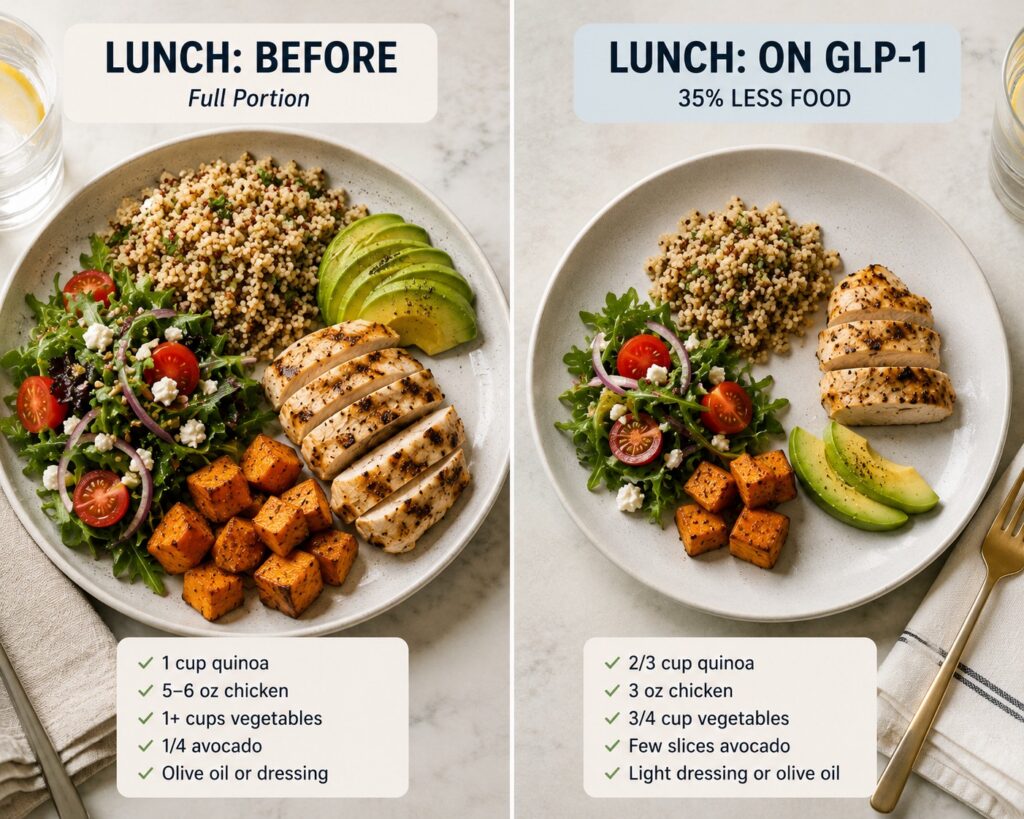
The average Wegovy user experiences a 35% reduction in the amount of food consumed [7]. For athletes, this reduction in food consumption may make it hard to eat enough food. This can be especially important for athletes trying to meet specific carbohydrate and protein targets.
Athlete (3,000 Calories) | 35% Reduction (1,950 Calories) | |
Breakfast | 700 kcal: 3 eggs, bagel with peanut butter, Greek yogurt, berries | 500 kcal: 2 eggs, 2 slices toast, fruit |
Snack | 300 kcal: Trail mix and banana | 150 kcal: Apple and string cheese |
Lunch | 800 kcal: Chicken bowl with 1½ cups rice, vegetables, avocado, olive oil | 600 kcal: 4 oz chicken, 1 cup rice, vegetables |
Snack | 300 kcal: Protein bar and fruit | 150 kcal: Greek yogurt |
Dinner | 700 kcal: 6 oz salmon, baked potato, vegetables, olive oil, fruit | 550 kcal: 4 oz salmon, ¾ cup potato, vegetables |
Evening Snack | 200 kcal: Chocolate milk or yogurt with granola | No evening snack |
Doctors are prescribing smaller dosages to reduce the incidence of side effects. A formal microdosage amount is not established. Using smaller doses implies that it will lower side effects, which may also impact how well the medication works. It will still exert the same GLP-1 benefits, just to a lesser degree.
Gastrointestinal issues, such as nausea, vomiting, constipation, and diarrhea, are the most common complaints, especially as the dose increases. Doctors typically start patients on a low dose and increase it gradually, specifically to reduce these effects, and they often improve as the body adjusts [1]. Less commonly, patients report fatigue, gallbladder issues, or pancreatitis. Rapid, significant weight loss also carries risks like nutrient deficiencies if diet isn’t managed carefully.
This is where the science is not as available as the marketing suggests. A large 2026 analysis of more than 9,000 patients found that people who stopped semaglutide or tirzepatide regained an average of nearly two pounds a month [8]. A year-long follow-up of people who had stopped semaglutide found they had regained two-thirds of the weight they’d lost [8]. Interestingly, people who lost less than 15% of their body weight tended to regain most of it, while those who lost 15% or more retained meaningful weight loss even a year after stopping [8]. In other words, these are largely treated as long-term, possibly lifelong medications, not short courses.
Long-term effects, summarized:
Note: No major new safety concerns have emerged in 4+ years of data, but true long-term (10+ year) data still doesn’t exist.
Used as intended, in people with obesity or type 2 diabetes with a high risk of cardiovascular complications, under medical supervision, the health benefits have been shown to improve blood sugar, reduce cardiovascular risk, and produce meaningful weight loss tied to real reductions in disease risk. Used outside the diabetes population, by a healthy young individual at a normal weight looking to reduce their weight, the risk-benefit calculation flips. You take on real side effects and the possibility of muscle and bone loss, in exchange for a cosmetic outcome rather than a healthy one. In addition, the weight loss will only continue while using the drug. Once the medication is stopped, the appetite will resume.
Part of the popularity is genuine efficacy nobody has seen before in a pill or injectable: in clinical studies, people using GLP-1 drugs lost an average of 10% to 15% of their body weight over a year, and the most effective versions produced losses over 20% [1]. That kind of result, achieved without surgery, is unprecedented in obesity medicine, which is why demand has exploded far beyond the population the drugs were designed for.
Part of it is culture: celebrity use (think Serena Williams [9]), social media before-and-afters, and a wellness industry that has always rewarded rapid transformation. And part of it is normalization: once something is discussed as casually as a multivitamin, it stops registering as a serious medical intervention with tradeoffs.

A few converging factors have made these drugs feel normal, even for people without a diagnosed medical need: heavy celebrity and social media visibility, diet culture’s long-standing moral emphasis on thinness, easier access through telehealth, social normalization through word of mouth, and a lag between the science and how widely these drugs are already being used in everyday culture.
The net effect: a genuine medical breakthrough got swept into a culture already primed to prioritize thinness at almost any cost, while the guardrails that would normally slow that down, medical necessity, in-person evaluation, years of follow-up, have loosened instead of tightened.
For people managing weight or metabolic health, alternatives include:
For a college student with type 2 diabetes or another diagnosed weight-related medical condition, taking one of these medications on a doctor’s recommendation is a straightforward medical decision, no different from any other prescription. But when the motivation is weight loss alone, social pressure, or simply wanting to eat less without understanding why, it’s worth a conversation with your doctor. College is also a time when disordered eating patterns often take root, and an appetite-suppressing drug can get in the way of building a healthy relationship with food. It doesn’t teach you how to manage appetite cues, it just switches off the hunger signal.
Using a weight loss drug to quiet “food noise” without addressing what’s driving it can do real harm over time. Persistent food noise is sometimes rooted in disordered eating, and disordered eating isn’t something a medication treats; it calls for a therapist or healthcare provider who can address the underlying cause.
Safety and long-term effects, including how the body responds after weight regain, aren’t fully understood yet. These are still relatively new medications, and while millions of people are taking them, the long-term data is still being collected. This is a decision to make with input from a doctor who knows your full medical history.
This is where the evidence gets genuinely concerning for anyone training seriously. Clinical trial data suggests 20-40% of weight lost can be lean muscle [6]. That means an athlete may end up lighter but functionally weaker, with a lower relative VO2 max despite the number on the scale dropping. Research has generally found no clear evidence that GLP-1 drugs enhance actual athletic performance, and there are possible reasons they could hinder it by reducing muscle and interfering with fueling: unlike weight loss through exercise, which tends to increase VO2 max, GLP-1-driven weight loss doesn’t reliably come with a fitness improvement to offset the lean mass lost.
There’s also a fueling problem. The most significant concern in athletic populations isn’t just muscle loss; it’s energy availability, since GLP-1 drugs blunt hunger signaling [11] in people who need to eat more, not less, to support training and recovery. Appetite suppression can unintentionally drive low energy availability, which may increase the risk of injury, illness, and impaired recovery [12] in athletes.
For endurance athletes specifically, the appetite suppression and slowed digestion that make these drugs effective for weight loss create a distinct set of sport-specific risks:
It depends on the individual. Currently, sports medicine experts are largely skeptical outside of a genuine medical need. One physician specializing in this area put it plainly: these drugs were created to treat diabetes, obesity, and related conditions like joint issues, sleep apnea, or metabolic concerns, not to enhance sports performance [9]. For athletes and highly active people, the threshold for acceptable side effects should be lower than for sedentary populations, because performance, bone density, hormonal stability, and recovery are all tightly linked to adequate energy availability [11]. Rapid weight loss beyond 1-1.5% of body weight per week, visible muscle loss, declining strength, or recurrent soft tissue injuries are red flags that lean mass is being disproportionately affected [11], and a sign to pause and reassess with a doctor.
These drugs aren’t currently banned in sport, but their placement on the World Anti-Doping Agency’s monitoring list signals growing doubt, and a broader worry that their spread could intensify body-image pressure that already exists in athletics [12]. Specifically, WADA added semaglutide to its monitoring program to track how athletes are using these drugs and whether they meet the criteria for a ban: proof of performance enhancement, a health risk to athletes, or a violation of the “spirit of sport.” They aren’t banned as of now, and any athlete who has a genuine medical need, such as type 2 diabetes, would still be able to use one under a Therapeutic Use Exemption even if that changed. If an athlete does have a legitimate medical reason to use one, pairing it with resistance training and careful nutrition planning is considered essential to limit lean mass loss, not optional, and working with a sports dietitian or sports physician is strongly advised to make sure fueling, hydration, and blood sugar are all being actively managed rather than left to a suppressed appetite.
GLP-1 drugs have medical benefits. They were designed for people with obesity or type 2 diabetes working with a doctor toward measurable health improvements. They are not a shortcut to leanness, and they’re not a performance enhancer; if anything, the evidence points the other way for anyone who trains. The gap between “medically indicated” and “aesthetically motivated” is exactly where the risk of disordered eating patterns tends to exist. Using a drug to override hunger rather than understanding and addressing it can potentially be problematic. The long-term effects are not known at this time. Anyone considering one of these medications, especially a young person or an athlete, needs to have an open conversation with a doctor about whether it fits their health goals, not just the cultural moment.
This article is for informational purposes and isn’t a substitute for medical advice. Anyone considering a GLP-1 medication, or navigating concerns about eating, weight, or body image, should talk to a doctor, registered dietitian, or mental health professional who knows their full history.