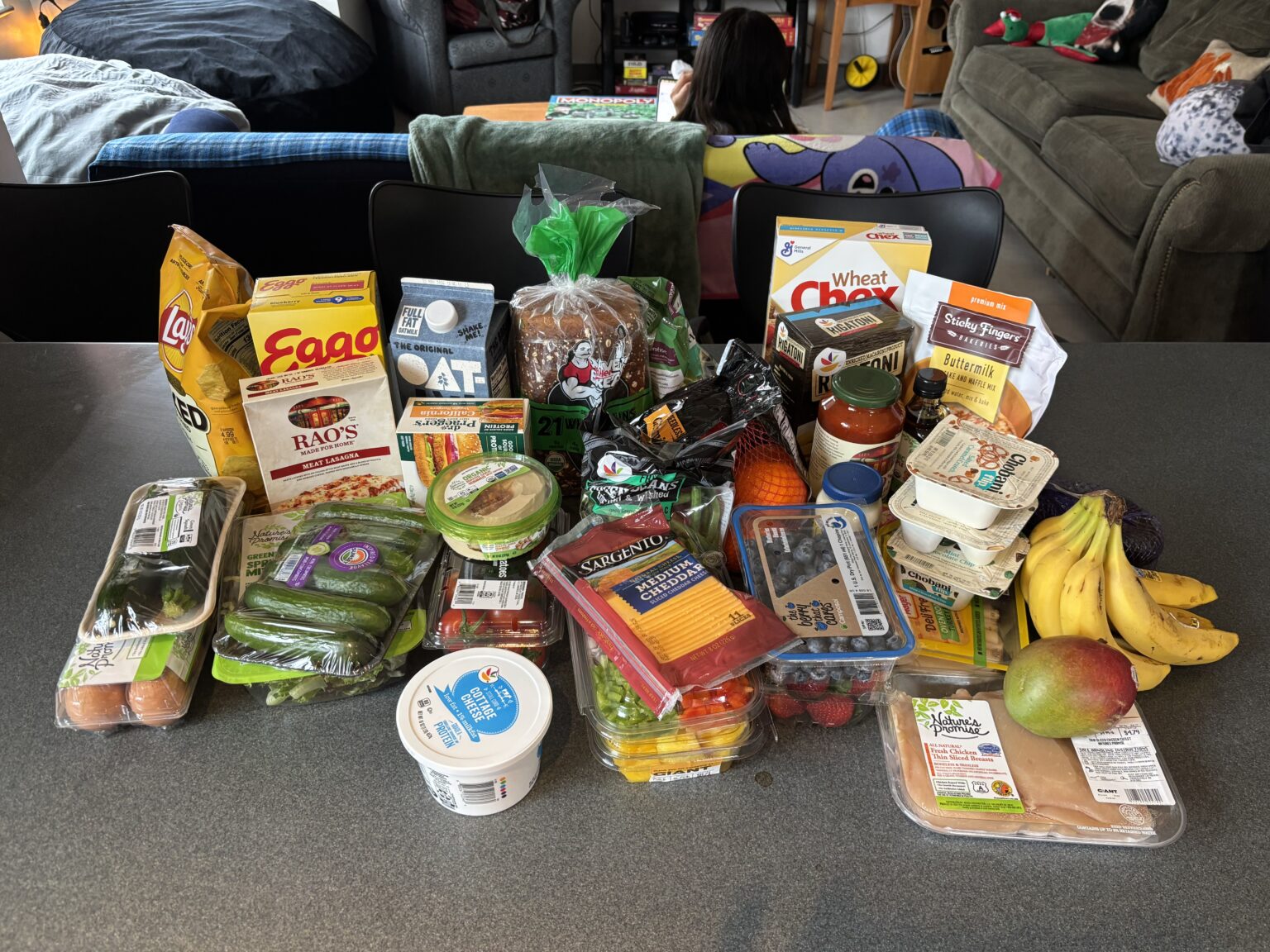
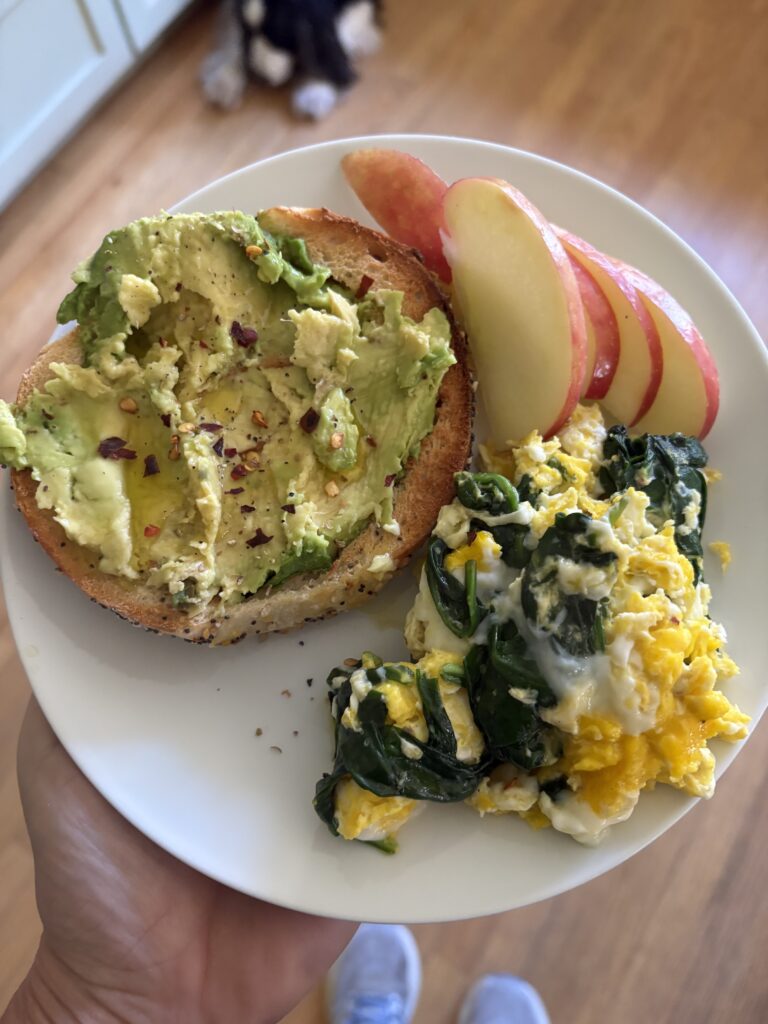
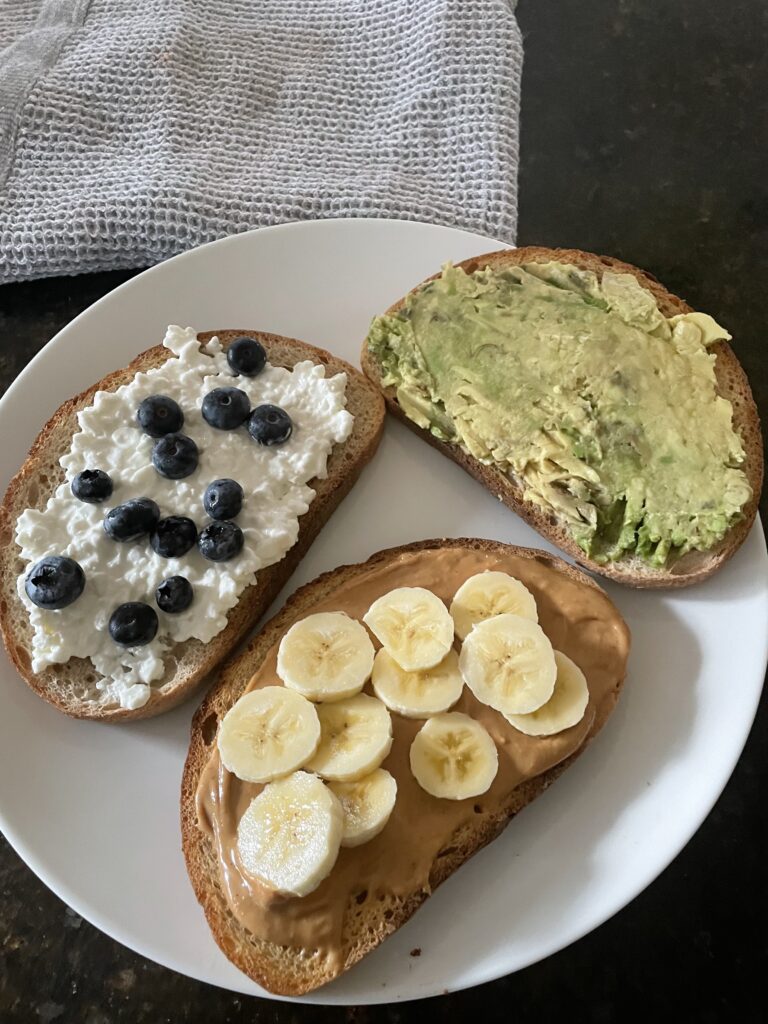
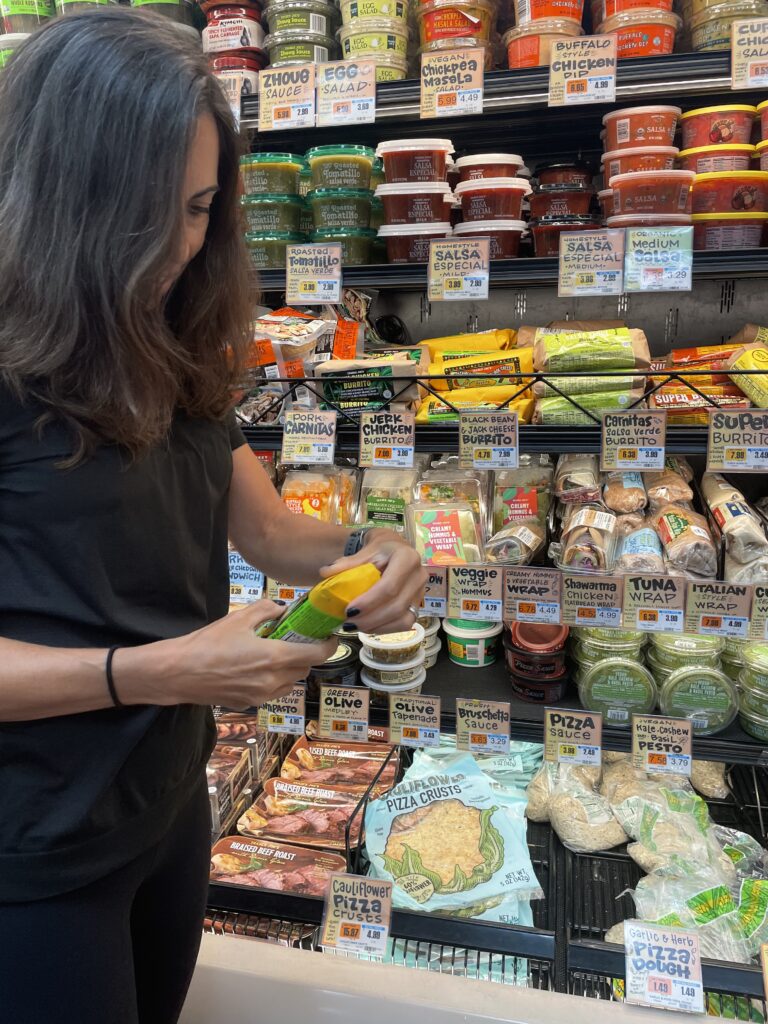
Eating nutrient-dense foods doesn’t have to be expensive. With a little planning, it’s possible to choose nutritious options without overspending. Below is a list of budget-friendly foods that provide energy to support workouts and everyday activities.
A simple way to get started is to plan out two meals and two snacks you’d like to eat, then build your grocery list around those ideas. This approach keeps shopping focused, helps reduce food waste, and makes it easier to stay within your budget.
Fruits
Fresh, frozen, or canned (in juice, not syrup) are all great options.
Bananas
Apples
Oranges
Frozen berries
Frozen mango or pineapple
Seasonal fruit (usually less expensive)
Canned peaches or pears
Tip: Frozen fruit is often less expensive and lasts longer.
Vegetables
Choose a mix of fresh and frozen options.
Carrots
Onions
Cabbage
Broccoli
Bell peppers
Spinach or kale
Frozen mixed vegetables
Fresh bagged or frozen spinach
Canned tomatoes
Tip: Frozen vegetables are just as nutritious. Read labels to ensure no additives or preservatives are added.
Whole Grains & Starches
These provide inexpensive energy and fiber.
Oatmeal (large container)
Brown rice
White rice
Wild rice
Whole grain pasta
Quinoa
Whole grain bread
Corn or whole wheat tortillas
White or sweet potatoes
Proteins
Plant proteins
Dry beans (black beans, pinto beans, lentils)
Beans (canned or in a carton)
Chickpeas
Nuts and nut butters (peanut, almond, cashew, sunflower butter)*
Tofu
*Check the ingredient list and choose options that include nuts and salt.
Animal proteins
Eggs
Canned tuna or salmon
Whole rotisserie chicken
Ground turkey
Chicken breast
Plain Greek yogurt
Tip: Beans, yogurt and canned fish are some of the lowest-cost high-quality protein foods.
Dairy or Dairy Alternatives
Milk or milk alternative
Greek yogurt
Cottage cheese
Cheese (block cheese is usually less money than shredded)
Calcium-fortified plant milk such as soy if preferred (Fairlife)
Healthy Fats
Olive oil
Avocado (buy when on sale)
Nuts (almonds, peanuts, walnuts)
Seeds (chia or flax)
Nut butter
Pantry Staples
Canned tomatoes
Tomato sauce
Broth
Vinegar
Mustard
Soy sauce
Honey or maple syrup
Spices (garlic powder, cumin, chili powder, cinnamon)
Additional Tips
Buy in bulk when possible: Rice, oats, beans, and pasta are less expensive in larger quantities.
Use frozen foods: Frozen vegetables and fruit are a great way to have these options on hand all the time.
Plan meals around seasonal foods: Build meals based on what proteins or produce are discounted that week.
Cook once, eat twice: Batch cook grains, soups, chili, or roasted vegetables to save time and money.
If you’re a runner, athlete, or parent of a young athlete looking for personalized fueling guidance, Amy Stephens offers in-person and virtual nutrition counseling.
Let’s Get Started!
Tell us what you’re interested in so we can book your first session today.