Amy Stephens
MS, RDN, CSSD, CEDS
Licensed dietitian
specializing in sports nutrition
and eating disorders
MS, RDN, CSSD, CEDS
Licensed dietitian
specializing in sports nutrition
and eating disorders
Early morning practices make it hard to get fueling right. There is not enough time to eat a full breakfast, but your body still needs energy to perform.
The challenge: If practice starts at 7:00 AM, it may have been 10+ hours since you last ate. Overnight, liver glycogen stores decrease as your body uses energy while you sleep. Starting a workout without eating can leave you feeling low on energy and make a hard workout feel even harder.
The goal isn’t to eat a large breakfast right before practice. Instead, eat enough the day before and get in as much easy-to-digest carbohydrate as you can just before practice starts.
What you eat the day before will have a big impact on an early morning workout. For athletes with high training demands (2-3 hours daily), carbohydrate needs may reach approximately 6–10 g/kg/day on heavy training days.
Because restoring glycogen after training can take up to 24 hours, don’t wait until dinner to load up on carbohydrates. Include carbohydrate-rich foods at meals and snacks throughout the day to help replenish energy stores and get ready for the next workout.
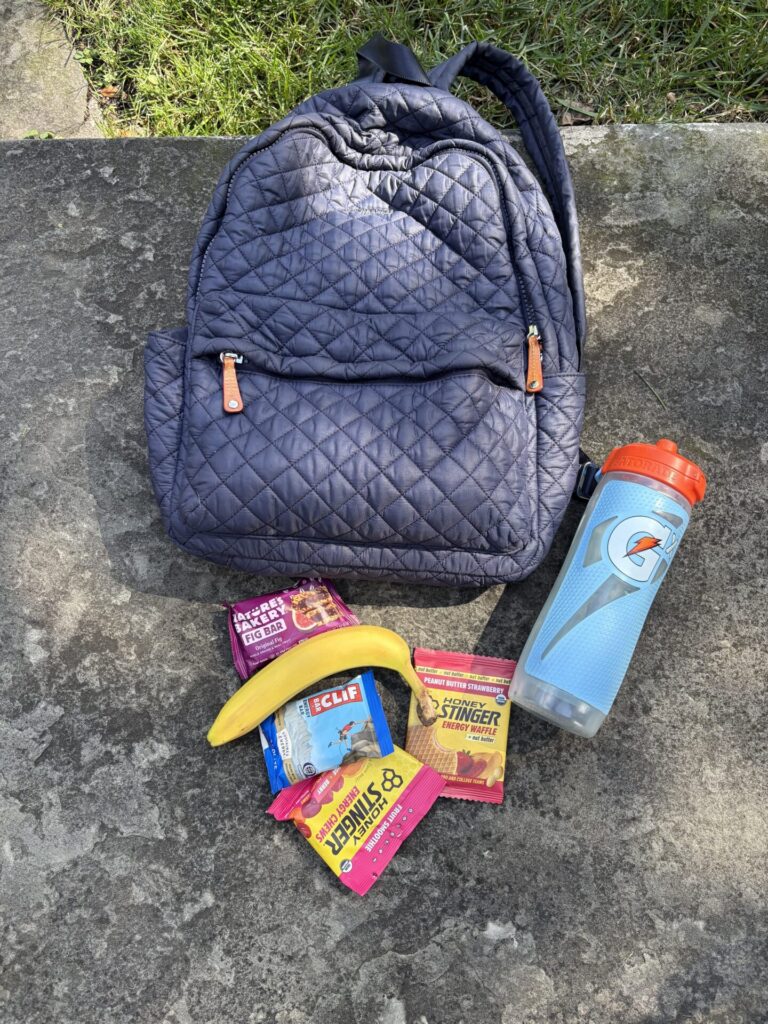
Have a carbohydrate-rich bedtime snack to help top off energy stores before going to sleep.
Examples:
Think about fueling the upcoming workout to have enough energy.
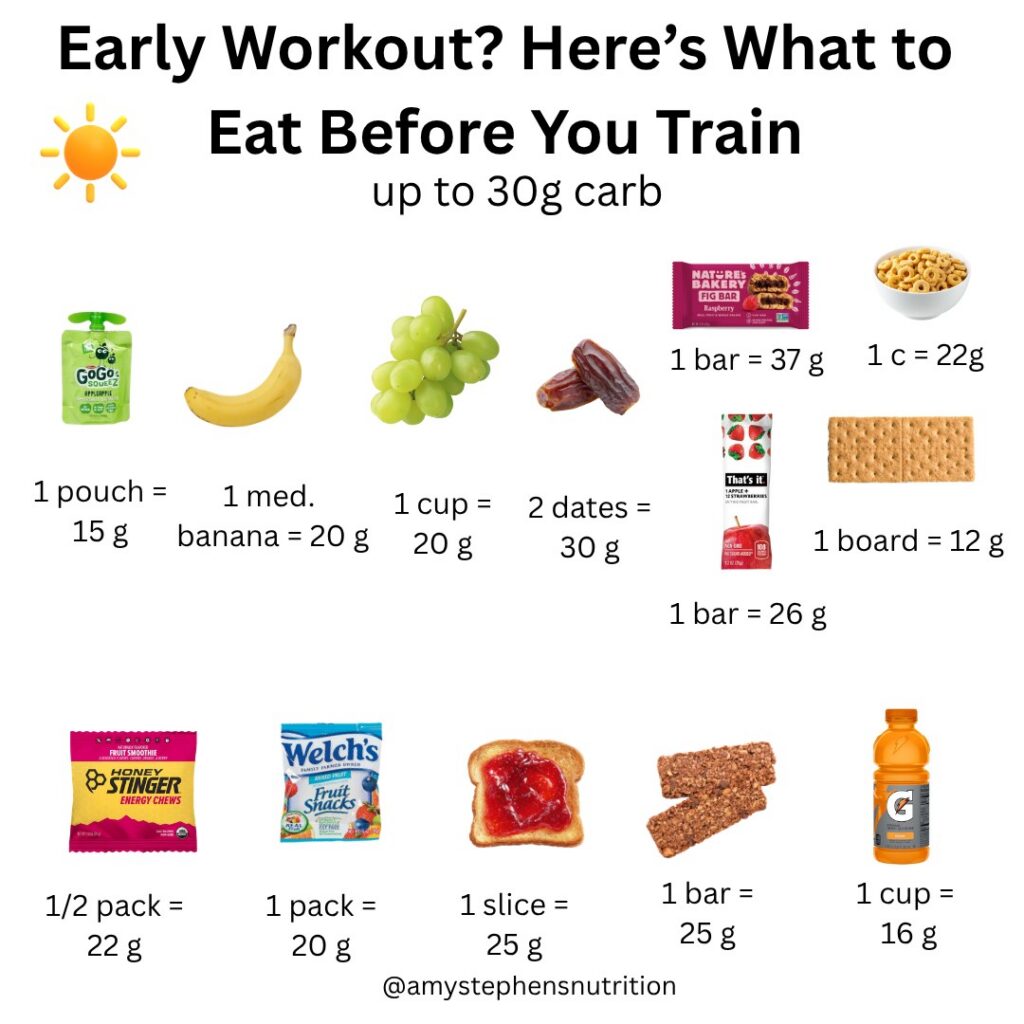
About 20–30 minutes before practice, aim for up to 30- 40 g of easy-to-digest carbohydrate, or as much as your stomach comfortably tolerates.
If you have one hour, your body can tolerate about 1 gram of carbohydrate per kilogram of body weight which is about 50-75 grams of carbohydrate.
Include carbohydrates that are low in fat and fiber. The sugar from carbohydrates converts into usable energy the fastest which will get used quickly by working muscles. Examples include:
If solid food is difficult early in the morning, you can obtain carbohydrates by sipping a sports drink as soon as you wake up. Liquid carbohydrates can sometimes be easier to tolerate than eating them.
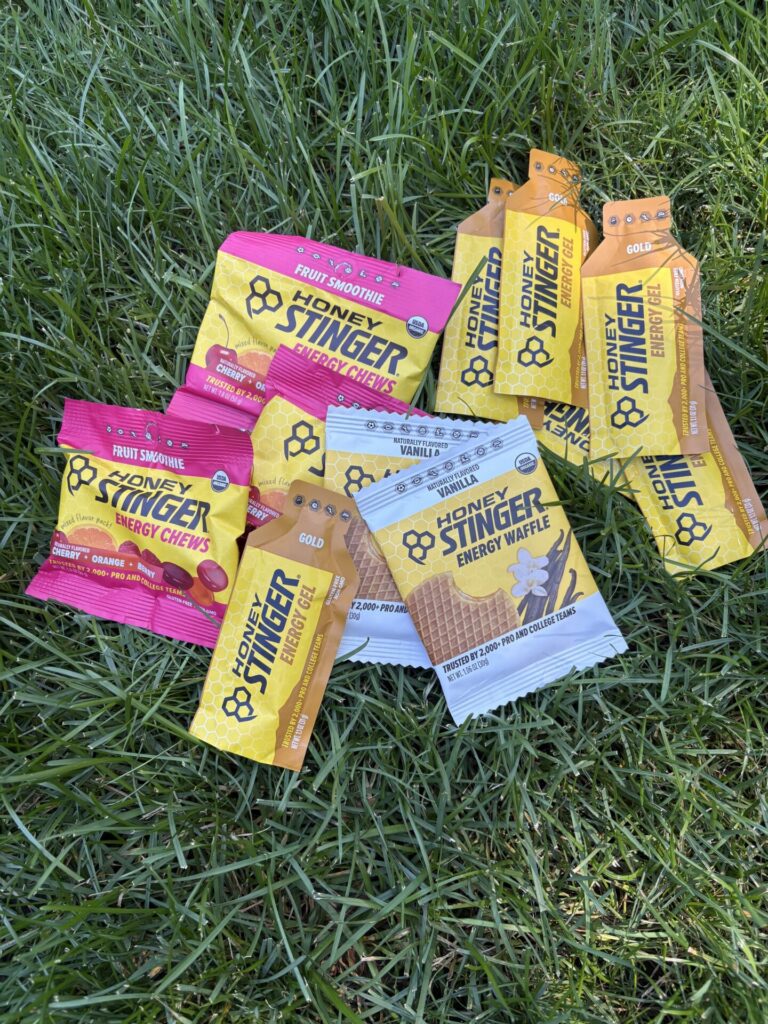
For longer or harder practices,lasting more than about 60–75 minutes, continue fueling during the workout to keep muscles firing and lower injury risk.
Sports drinks, gels, gummies or chews can provide quick carbohydrates while you train. Fluids and electrolytes are also important, particularly during longer sessions or hot-weather training.
Within 30–60 minutes, eat a substantial breakfast containing carbohydrates + protein.
This meal helps:
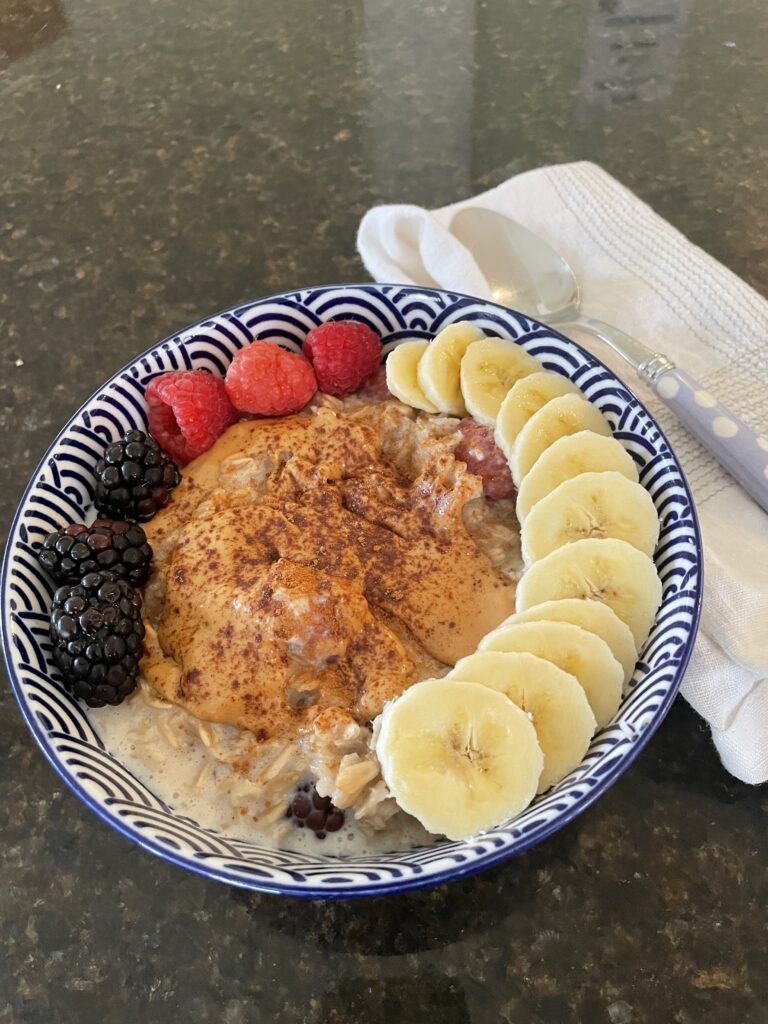
Examples:
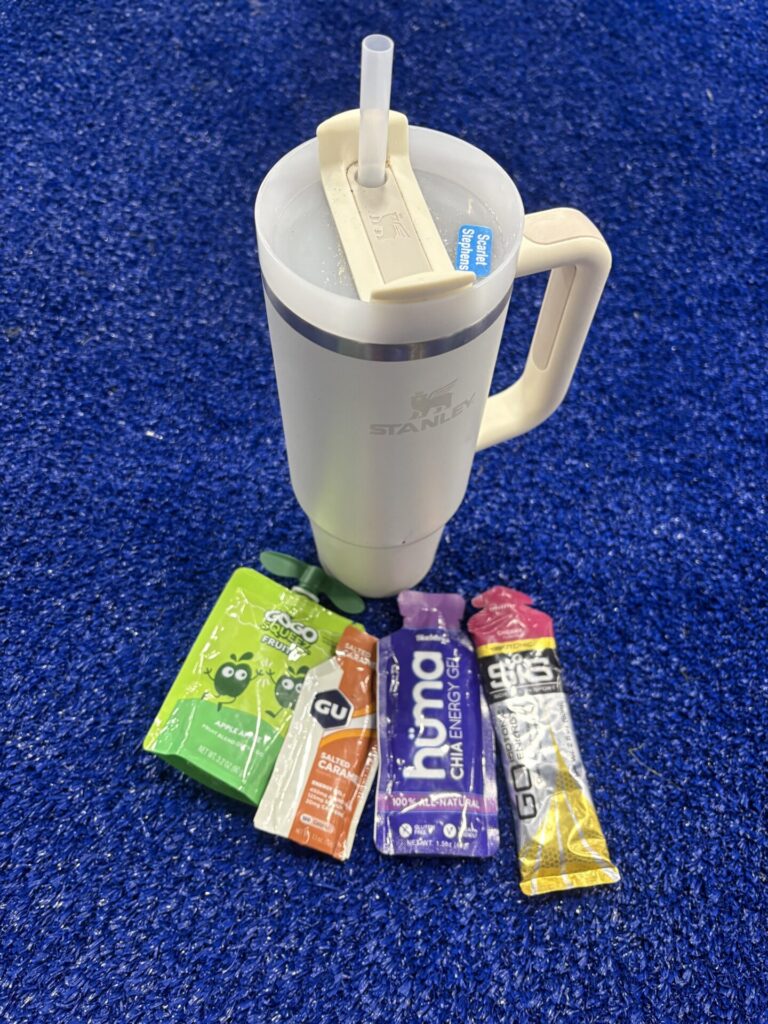
Training without adequate fuel can negatively impact performance and overall health.
You may be able to complete a workout without eating, but consistently underfueling morning training can compromise workout quality, recovery, training adaptations, and overall energy availability.
Bottom line: For early practices, your fueling starts the day before. Eat carbohydrates consistently throughout the day, have a bedtime snack, get in quick carbohydrates before practice, and follow training with a complete recovery meal.