Amy Stephens

MS, RDN, CSSD, CEDS

Licensed dietitian

specializing in sports nutrition

and eating disorders

What to Eat Before and After Practice for High School Athletes

Fuel Consistently Throughout the Day. Skipping breakfast or heading to practice on an empty stomach affects your overall health and performance. Here’s why it matters:

  • Your brain and muscles need fuel to work. After 8+ hours of overnight fasting, your blood sugar is low. Without breakfast, you’re asking your body to think through classes and then perform athletically, all on reserves that are already running low.
  • Breakfast sets the tone for your whole day. Studies consistently show that student athletes who eat breakfast have better focus, energy, and mood than those who skip it.
  • Pre-practice snacks top off your tank. Even if you ate breakfast hours ago, a snack 30-60 minutes before practice gives you quick, accessible energy so you’re not relying on fumes by the second half of practice.
  • Under-eating delays growth and recovery. Consistently skipping meals or snacks doesn’t just hurt today’s practice; it can slow recovery, prevent growth (bones and overall height), increase injury risk, and stall the strength and speed gains you’re actually working for.

Bottom line: consistent fueling is not optional; it’s part of your training.
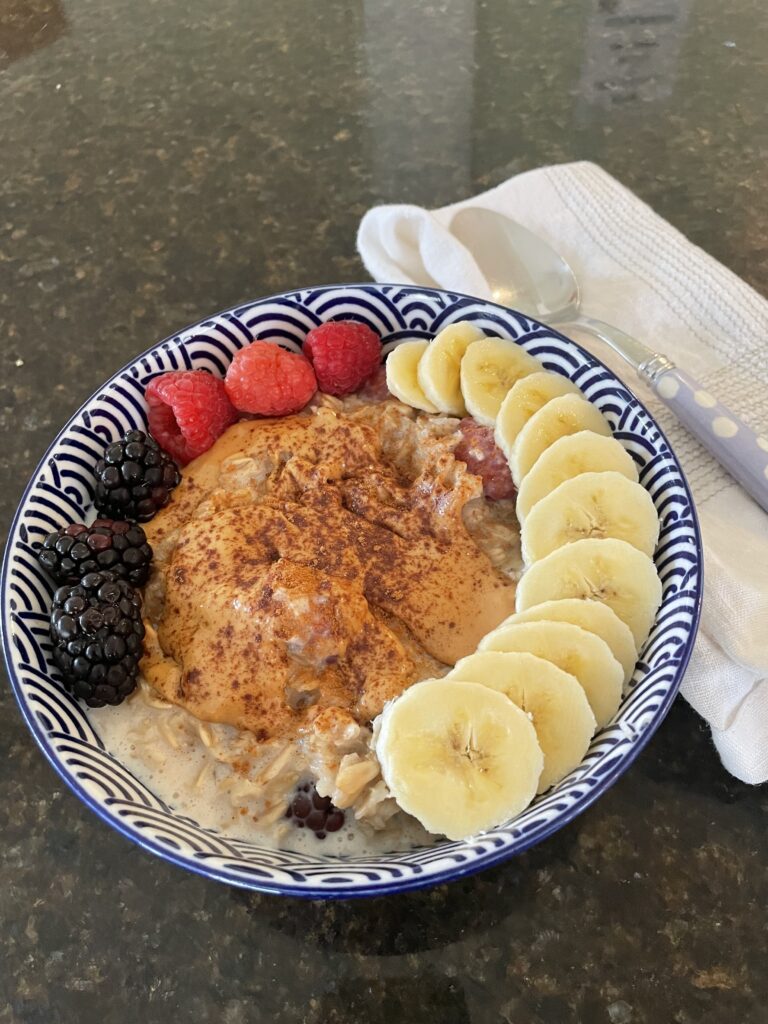
Grab-and-Go Breakfast Ideas

Perfect for busy mornings, no sit-down meal required:

  • Greek yogurt with granola and berries (in a to-go cup)
  • Peanut butter and banana on toast, or a peanut butter and jelly sandwich
  • Toaster waffle with a smear of nut butter, rolled up like a taco
  • Overnight oats (made the night before) with fruit and yogurt
  • Smoothie blended the night before or that morning: milk or milk alternative, banana, peanut butter, maple syrup, and a handful of spinach (add in vegetables when you can)
  • Hard-boiled eggs (make a batch on Sunday) with a piece of fruit and a granola bar
  • Breakfast burrito made ahead with eggs, cheese, and a tortilla, reheated in 60 seconds
  • Bagel sandwich with egg and cheese
  • Yogurt drink and fruit

Tip: Prep a few of these the night before or in batches on Sunday, so “I don’t have time” is never the reason you skip breakfast.
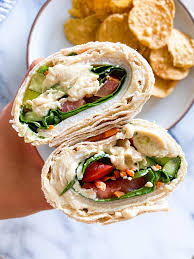
Lunch Ideas That Fuel Your Afternoon Practice

Lunch is the meal that fuels your afternoon practice or competition. 

  • Rice bowl with chicken or tofu, veggies, and a great sauce
  • Turkey, cheese, and avocado wrap with a piece of fruit and pretzels
  • PB&J (yes, still a great option) with baby carrots, an apple, and a yogurt
  • Pasta salad with veggies and grilled chicken, packed in a container
  • Bagel with cream cheese or turkey, plus fruit and a granola bar
  • Leftovers from dinner the night before-reheating leftovers is one of the easiest ways to get a filling, familiar lunch with zero extra effort

Aim for a mix of carbs (for energy), protein (for recovery and staying full), and something salty. School lunch lines move fast; don’t let “what’s fastest” replace “what will actually fuel me.”
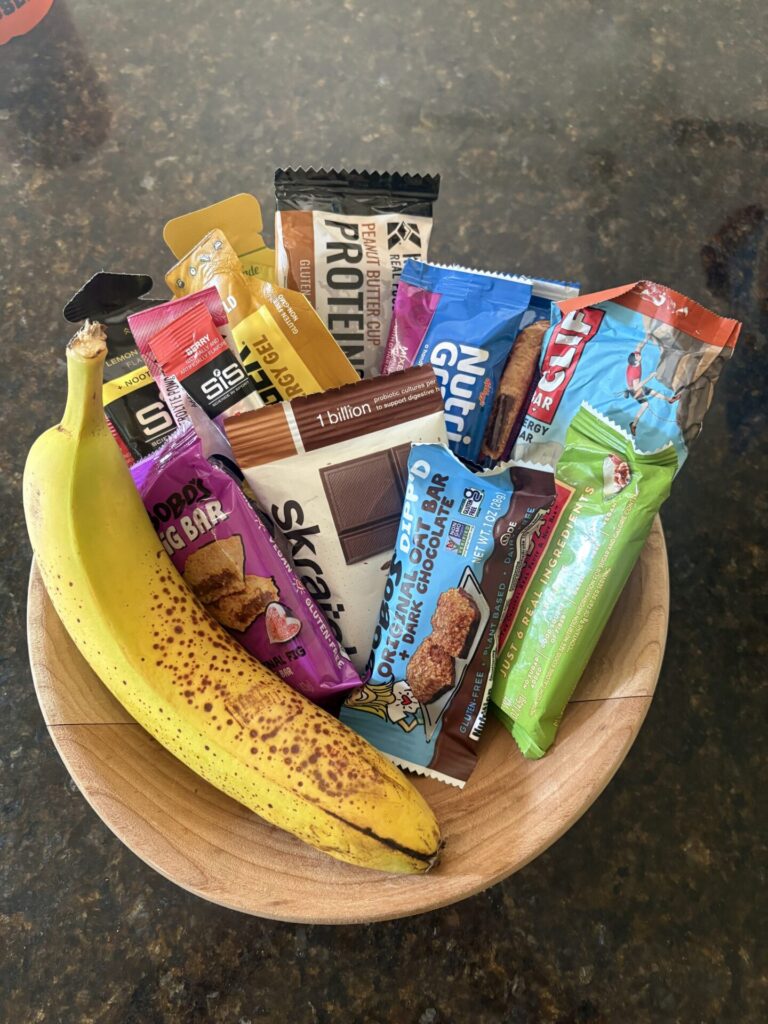
Pre-Practice Snacks to Keep in Your Backpack

Keep a stash of easily digestible foods in your bag for a quick fueling option. Choose low-fat  and low-fiber foods that are low in protein within one hour of practice.

  • Energy bars (mainly carbohydrates, low fat/low protein) such as granola bar, Rx or Fig Bar
  • Bag of pretzels or crackers
  • Dried fruit (mango or dates)
  • A piece of fresh fruit (banana, apple, orange) or mixed fruit
  • Fruit snacks or fruit leather
  • Applesauce pouches
  • Rice cakes
  • Sports drinks
  • Peanut butter crackers
  • Dry cereal like Honey Nut Cheerios or Frosted Flakes
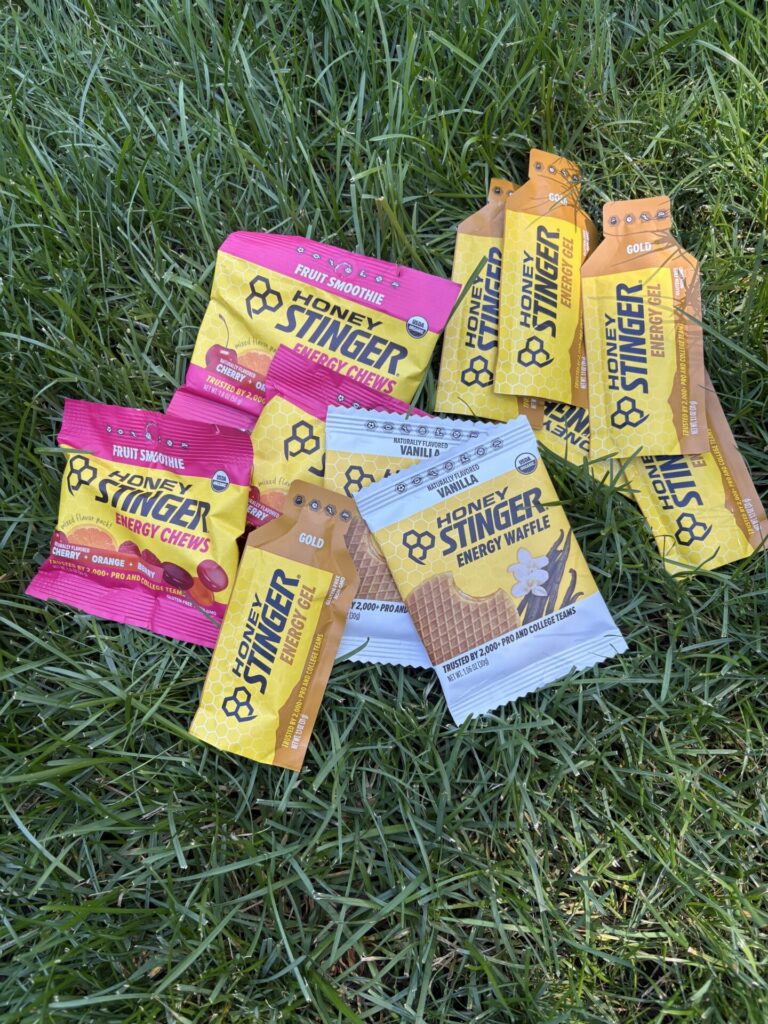
  • Quick carbs like gels, Honey Stinger gummies or waffles

Timing tip: Eat something right after school so you have plenty of time to digest.
Fueling Longer Practices (More Than 70 Minutes)

For practices lasting more than 70 minutes, adding carbohydrates during exercise can help keep your muscles fueled, maintain energy, and support performance. Fluids and electrolytes can also help replace what you lose through sweat and support hydration.

Carbohydrate Options

  • Gels, gummies/chews, or sports drinks
  • Honey Stinger gels or chews
  • Science in Sport (SiS) gels — designed to be consumed without water

Hydration + Electrolytes

  • Sports drink
  • Nuun tablet
  • Pedialyte
  • Liquid I.V. powder

Tip: Sports drinks can provide carbohydrates + fluids + electrolytes in one option, making them especially convenient during longer or harder practices.


Fueling for 7am Practices

Early practices are their own challenge. You’re asking your body to perform before it’s even had a chance to fully wake up. Here’s how to handle it:

The problem: If practice starts at 7am, you likely don’t have time for a full breakfast beforehand, and showing up completely empty means you’re running on the fumes of whatever you ate the night before, which was probably 10+ hours ago. Your glycogen is depleted which will make that exercise feel even harder and increases the risk of injury. It’s hard to perform your best if your muscles are depleted.

Split your fueling into two parts.

  1. Before practice: A small snack right when you wake up (even 15-20 minutes before you leave the house). This doesn’t need to be a full meal, just enough to provide energy for the upcoming workout. Aim for about 200 calories. Think:
    • Banana with a spoonful of peanut butter
    • Dried fruit
    • Few crackers or a small granola bar
    • Start sipping a sports drink (great way to get carbs)
    • Slice of toast with jam
    • Pop-tart
    • Dry cereal (ex. Honey Nut Cheerios or Frosted Flakes)
    • Stroop waffle (ex. Honey Stinger)
    • Gels or gummies


  2. Refueling breakfast: A more balanced meal right after practice. Once you’re done, your body needs fuel to kickstart recovery. Eating soon after a practice or competition will help with recovery so you can be ready for the next workout. A balanced meal includes protein and carbs together. A yogurt parfait, eggs and toast, or a smoothie with protein all work well here.

The night-before piece matters too. Since you won’t have much time to eat before a 7am practice, what you eat at dinner the night before matters more than usual. Make sure dinner includes a solid mix of carbs and protein; don’t just have a light snack and call it a night. Top off energy stores with a carbohydrate rich snack at bedtime such as crackers, toast or cereal.

What to avoid: skipping fuel entirely and hoping adrenaline gets you through. It might work for one practice, but consistently training fasted at this age can hurt performance, recovery, and how well your body adapts to training over time.


Summary

  • Eat something with carbs within an hour of waking up, even if it’s small
  • Have a snack 30-60 minutes before practice
  • Refuel with real food within 30-60 minutes after you finish practice
  • Keep backup snacks in your bag, always
  • For early practices: small snack before, balanced breakfast after

Treat food like part of your training plan.

Let’s Get Started!

Tell us what you’re interested in so we can book your first session today.