Amy Stephens
MS, RDN, CSSD, CEDS
Licensed dietitian
specializing in sports nutrition
and eating disorders
MS, RDN, CSSD, CEDS
Licensed dietitian
specializing in sports nutrition
and eating disorders
Cravings are common, especially in individuals exercising at a high level. The most effective way to manage them is to understand what’s driving them and start by developing a nutrition plan that addresses those causes directly.
Cravings are often your body’s way of signaling that something is missing or needs attention. Rather than trying to ignore them, view them as useful feedback. Here are some common causes of cravings and practical ways to fix them.
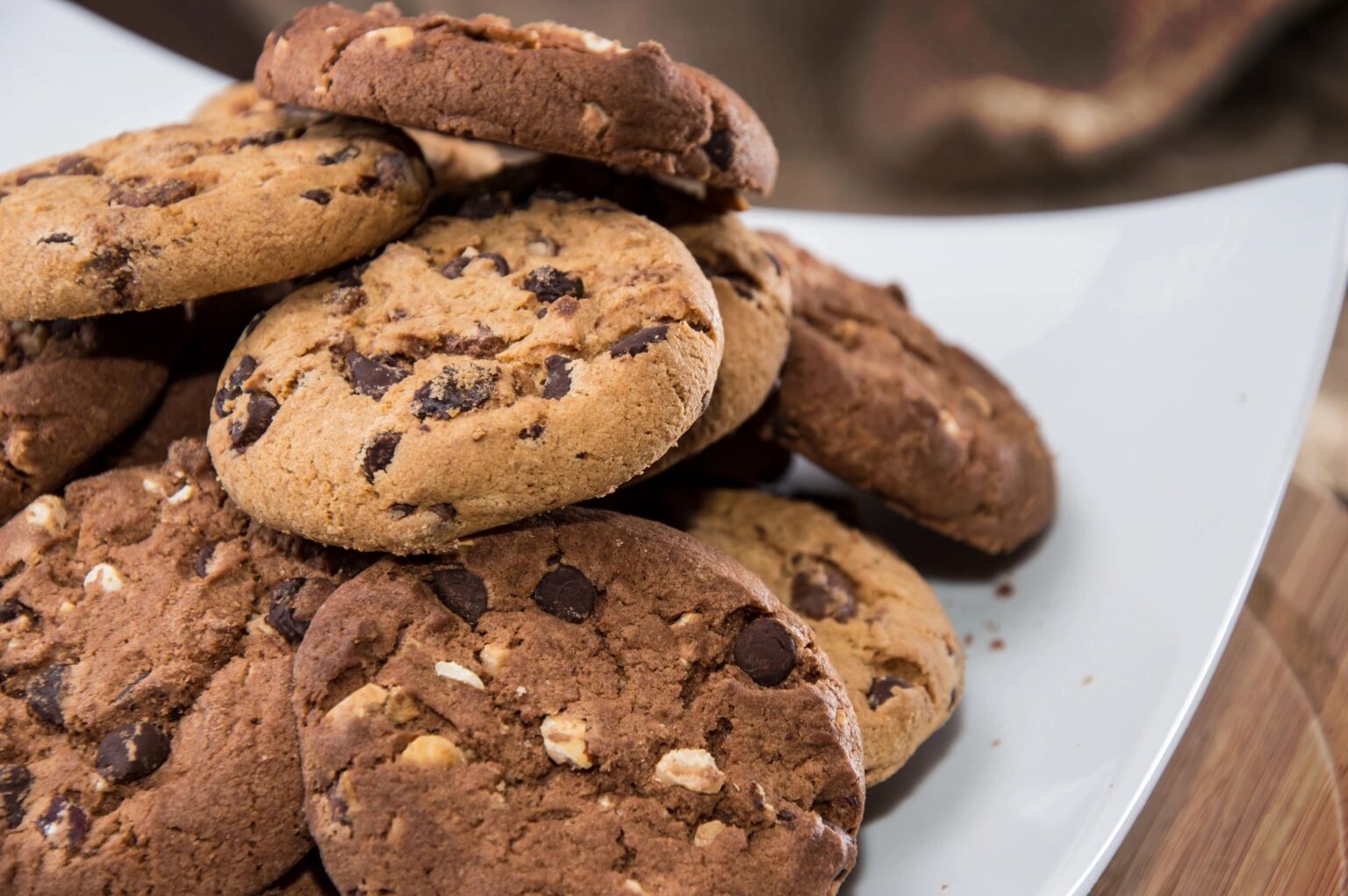
This is the most common reason, especially in athletes. Exercise increases the amount of food your body needs. Underfueling can be intentional or unintentional. Hunger and satiety cues can be challenging to read during high intensity training blocks (college athletes, marathon or triathlon cycle).
If your body isn’t getting enough energy, it will want:
It’s not about willpower, it’s the way your body responds to lack of nourishment.
Signs:
What to do:
The more you tell yourself you “can’t” have something, the more your brain focuses on it.
This is both psychological and biological.
Example:
Cutting out sweets → stronger sugar cravings later
What to do:
Incorporate less nutritious foods (sweets) after a balanced meal, not in place of

If meals are missing key nutrients, you’ll likely feel unsatisfied—even if you’ve eaten enough calories. That means eating enough carbohydrates, protein, fats and color from fruits and vegetables in each meal.
Common patterns:
What to do:
Build meals like this:

Cravings often increase when you’re:
Your brain looks for quick energy and comfort.
What to do:

Sometimes cravings aren’t physical at all, they’re learned patterns.
Examples:
What to do:
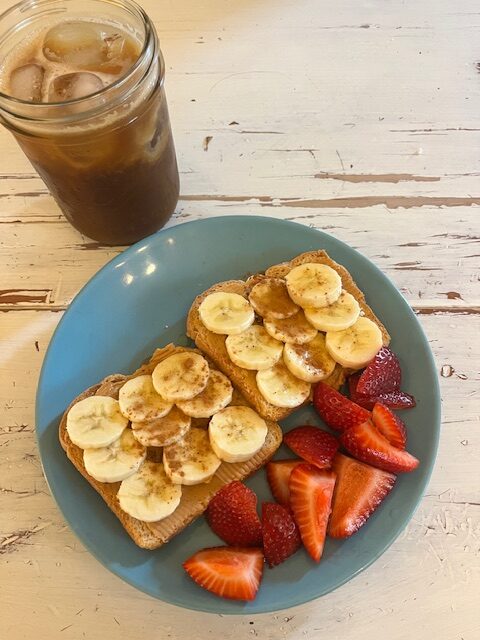
Following a plan can be helpful, but when it becomes too rigid, it can disconnect you from your body’s actual needs. Your nutrition requirements shift with changes in training intensity, duration, and daily activity. If you’re locked into a fixed plan, you may not be eating enough to support changes in exercise intensity. You might end up under-fueling or ignoring important hunger signals.
Common Patterns:
What to Do:
Hormone fluctuations (such as estrogen and progesterone) are fluctuating daily and are a normal part of the female menstrual cycle. These hormonal shifts can impact appetite, energy levels, and cravings, particularly in the days leading up to your period.
Common Patterns:
What to Do:
So… How Do You Improve Cravings?
Here’s the best answer:
You don’t eliminate cravings—you reduce the intensity and frequency by meeting your body’s needs consistently. For athletes, this means staying flexible and eating enough each day to match your energy demands. Working with a sports dietitian can help you better understand how much to eat and when to fuel your body for optimal performance.